India’s data-centre value-chain opportunity could reach USD 90 billion by FY35, with AI driving higher power density, advanced cooling and more specialised infrastructure.

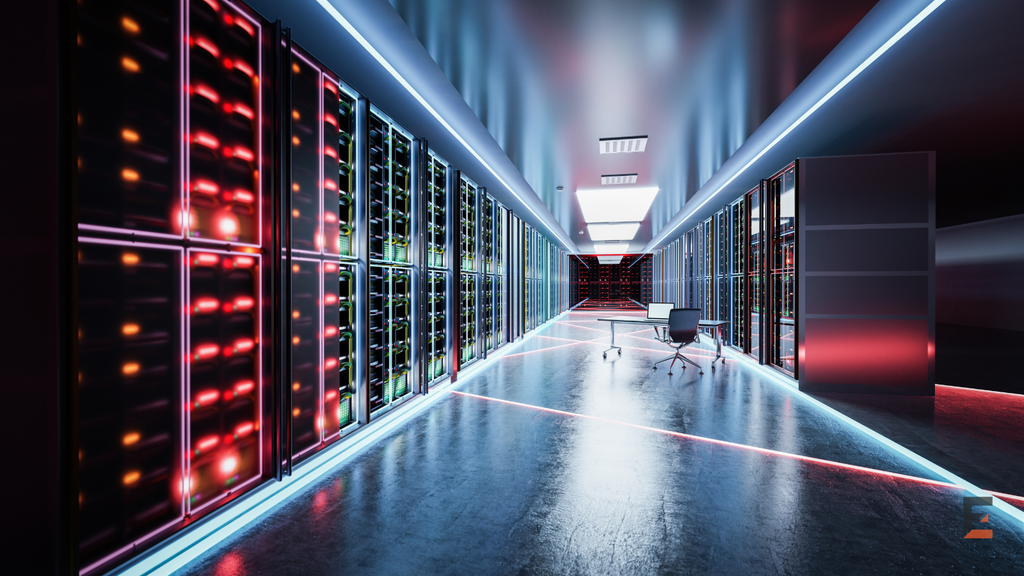
India’s data-centre value-chain opportunity could reach USD 90 billion by FY35, with AI driving higher power density, advanced cooling and more specialised infrastructure.
India’s data-centre construction and infrastructure value chain could reach USD 90 billion by FY35, according to KPMG, with the opportunity extending beyond the facilities themselves into power infrastructure, cooling, networking, security and specialist engineering.
The market is also becoming more demanding physically. AI and other compute-intensive workloads are pushing data centres towards higher rack densities, greater power requirements and more sophisticated cooling systems. KPMG says these changes are reshaping how facilities are designed and built in India.
KPMG’s analysis puts conventional rack densities at around 8–12 kW, compared with 50–60 kW for high-density AI racks. That shift has consequences across the facility’s electrical and mechanical design.
A data centre designed around conventional loads cannot simply add substantially higher-power AI hardware without reassessing its power distribution, backup systems, cooling capacity and supporting infrastructure.
The change therefore begins at the design stage.
Power systems, cooling plants, network infrastructure and equipment layouts have to be coordinated around the intended computing load from the outset. KPMG describes the transition as a move towards higher-density, GPU-driven and liquid-cooled infrastructure.
Cooling is one of the clearest areas where AI workloads are changing the physical requirements of a data centre.
KPMG estimates cooling infrastructure at approximately USD 24 billion by FY35. Its report describes a shift from pure air-cooled systems towards water-cooled and liquid-cooled configurations, with liquid cooling becoming increasingly relevant as AI rack densities rise.
The implications extend beyond the cooling equipment itself. KPMG identifies chillers, cooling towers, condenser-water systems, CRAC and CRAH systems and containment systems within the cooling infrastructure opportunity.
For MEP contractors and specialist suppliers, that makes cooling a central part of the data-centre construction package rather than a secondary fit-out requirement.
CBRE’s India Alternate Sectors Outlook 2026 independently identifies continued AI-led demand, policy support and renewable-power integration as drivers of large-scale data-centre capacity additions in India.
CBRE’s separate 2026 Asia Pacific Data Centre Trends & Outlook identifies power availability as a major constraint on new data-centre capacity and says intensive AI workloads are adding further pressure to power infrastructure.
KPMG estimates the broader data-centre construction and infrastructure opportunity at USD 30 billion by FY30, rising to USD 90 billion by FY35.
The FY35 breakdown includes approximately:
These are approximate category estimates rather than a project-by-project investment total, so the individual figures should not be expected to reconcile exactly to the rounded USD 90 billion headline figure.
The breakdown shows why data-centre development cannot be judged only by the value of the building contract.
Power infrastructure outside the facility includes substations, transmission lines, transformers and related grid-connection infrastructure. Inside the facility, KPMG identifies UPS systems, batteries, diesel generator sets, power-distribution units, busways, switchgear and data-centre infrastructure management systems.
For EPC contractors, the project therefore spans civil, electrical, mechanical, commissioning and specialist technology packages.
KPMG estimates that India’s installed data-centre capacity reached approximately 1.9 GW in FY26, with a development pipeline expected to add around 4.5 GW over the next five years. It projects India’s capacity to reach 7–7.5 GW by 2030.
KPMG identifies several structural demand drivers behind that expansion, including cloud adoption, data localisation, AI workloads, BFSI digitisation and 5G-led edge computing.
The company’s analysis also shows how the workload mix is changing. Traditional enterprise applications are increasingly being joined by compute-intensive uses such as AI model training, real-time analytics, high-frequency trading, video streaming and large-scale SaaS platforms. These applications require higher rack densities, more resilient power architectures and advanced cooling systems.
The supply side is changing alongside demand.
CBRE’s Asia-Pacific research says new data-centre developments are increasing in scale, with average project sizes exceeding 100 MW, while power availability is increasingly influencing where new capacity can be delivered.
The expansion of AI-ready facilities also puts greater attention on specialist equipment supply.
KPMG identifies civil construction, cooling towers and fibre-optic cable manufacturing among areas where India has domestic capability. It identifies greater import dependence in areas including advanced grid systems, battery energy storage, precision cooling and active network hardware.
That distinction matters for developers and EPC companies.
A project may have adequate access to conventional construction capacity but still face constraints around specialised electrical, cooling or network equipment. As a result, procurement and supplier availability can become critical to project schedules.
KPMG also says delivering next-generation facilities will require closer coordination between developers, EPC companies, equipment manufacturers, utilities and regulators, particularly around construction timelines and securing power connections.
The USD 90 billion figure is an estimated opportunity across India’s wider data-centre value chain by FY35, not a confirmed construction order book. The USD 30 billion figure is the estimated cumulative construction-related opportunity by FY30, while 7–7.5 GW is a projected capacity level for 2030.
The more useful indicators for the construction industry are actual capacity commissioned, power connections secured, cooling systems deployed, construction investment committed and participation by domestic specialist suppliers.
AI is changing the specification of India’s data centres. Higher rack densities are increasing power and cooling requirements, while the wider expansion of digital infrastructure is creating work across civil, MEP, electrical and specialist engineering packages.
For Equipment Brief readers, the opportunity is therefore not limited to the data-centre shell. A growing share of the project sits in the infrastructure systems that make high-density computing possible.


Ammann India says a stronger PLI framework could help localise critical road-equipment components such as precision hydraulic and engine parts.
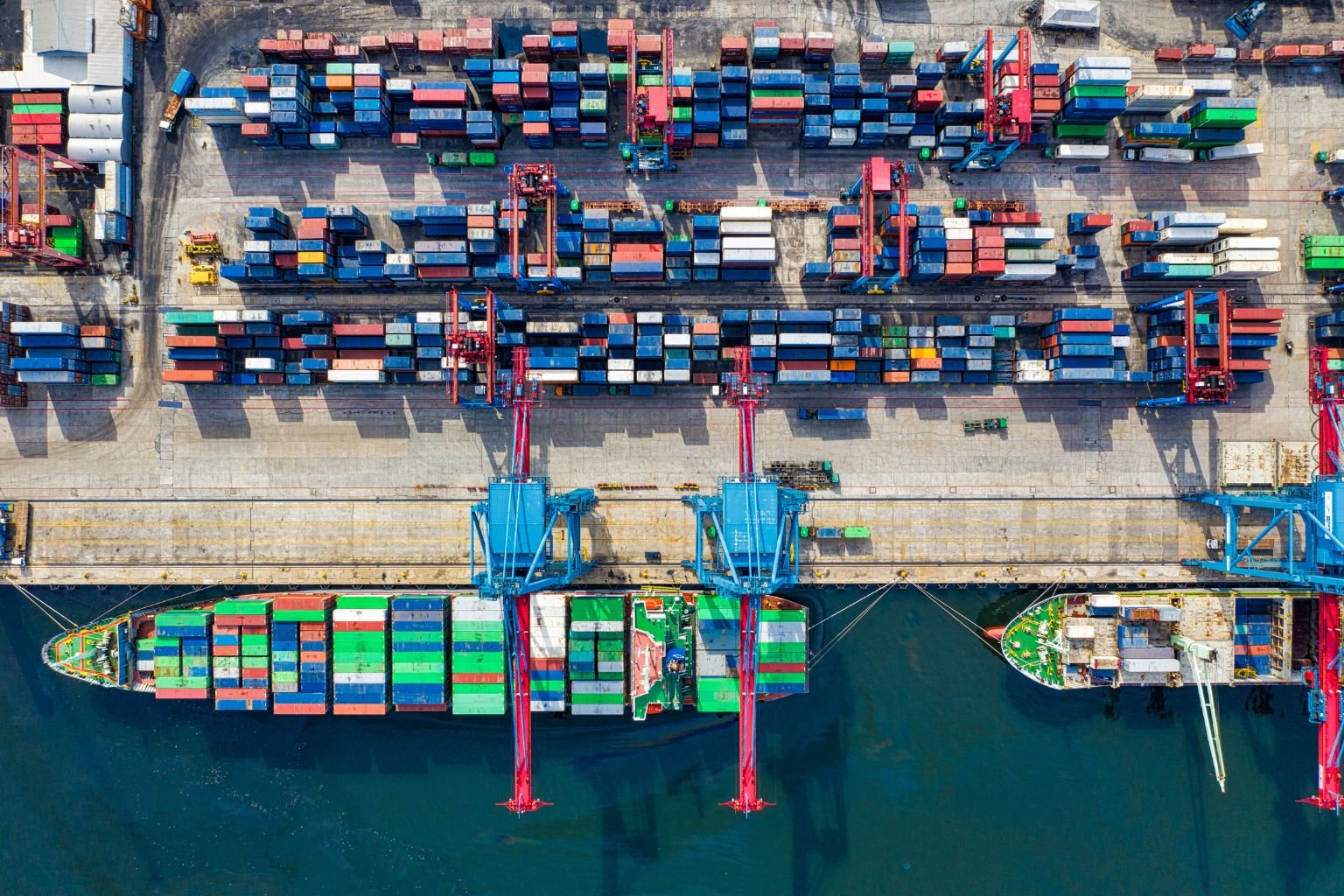
ICEMA estimates India’s construction and infrastructure equipment exports at 20,701 units in FY27, driven by stronger demand from developed markets.
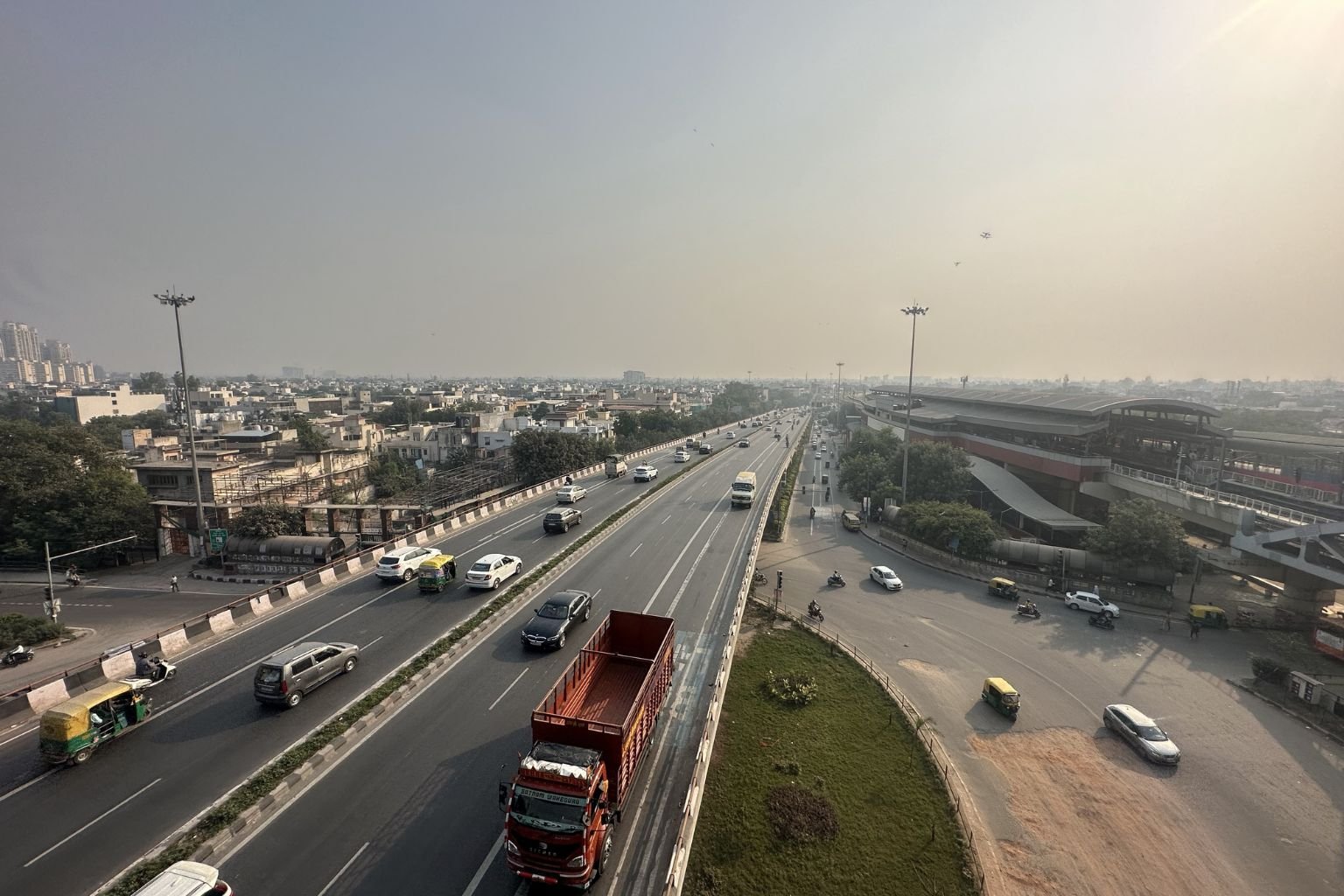
Haryana has approved a ₹9,700 crore road package covering five bypass projects and a broader plan for ring roads and highways around urban areas.

NHAI has floated a ₹3,144 crore package for a 58.6-km section of the Shamli-Gorakhpur corridor in Uttar Pradesh.