Indian Railways, CCEA, railway multitracking, Tamil Nadu, Karnataka, Andhra Pradesh, Telangana

Indian Railways, CCEA, railway multitracking, Tamil Nadu, Karnataka, Andhra Pradesh, Telangana
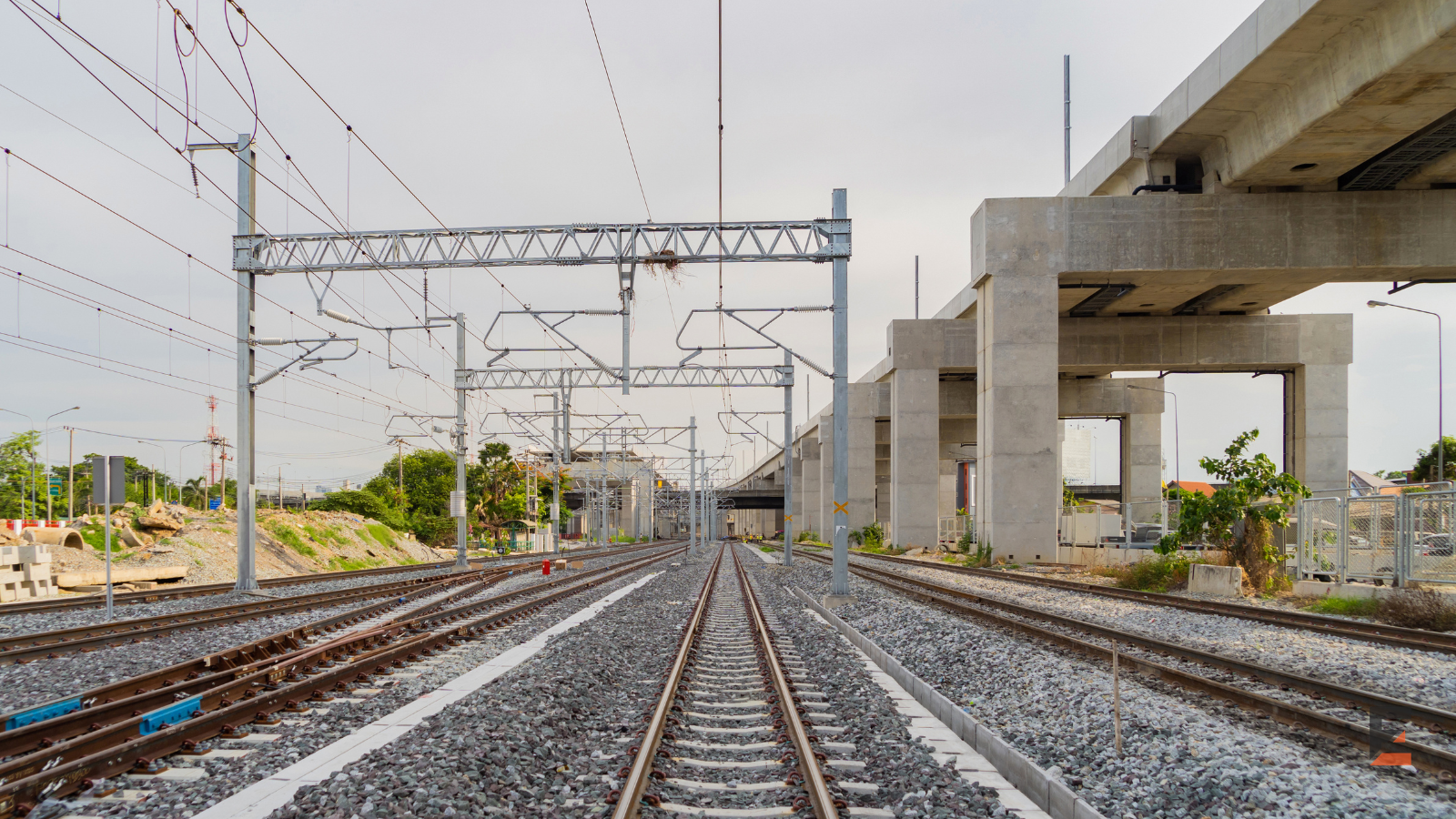
The Cabinet Committee on Economic Affairs (CCEA) has approved five railway multitracking projects with a combined estimated cost of ₹10,021 crore, covering about 540 km across 17 districts in Tamil Nadu, Andhra Pradesh, Karnataka and Telangana. The projects are planned for completion by 2029–30.
The approval, announced on September 9, 2026, covers a mix of third- and fourth-line works, route doubling and additional capacity on some of the southern network’s important corridors. No contractor has been appointed at this stage. These are Cabinet-level project approvals, not construction awards.
The largest package by length is the Salem–Karur–Dindigul doubling project, covering 159 km. It is followed by the Hosur–Omalur doubling project at 147 km and the Secunderabad (Ghatkesar)–Kazipet multitracking project at 110 km.
The remaining two projects involve additional lines on existing routes: Arakkonam–Renigunta third and fourth lines, covering 77 km, and Whitefield–Bangarapet third and fourth lines, covering 47 km.
Taken together, the projects will add about 540 km to the existing Indian Railways network and are expected to improve capacity on corridors serving industrial, commercial and passenger traffic. The government says the works will improve operational efficiency and help ease congestion.
For contractors and equipment suppliers, the important point is what happens after the Cabinet approval.
The CCEA decision establishes the projects and their estimated capital costs. It does not identify the EPC contractors, final package structures or individual tendering schedules. Those details will emerge as the projects move into the procurement stage.
That leaves the next phase largely to the railway authorities responsible for taking each approved project into tendering and execution. The specific executing agency for each package is UNKNOWN at this stage.
For the construction-equipment industry, the eventual tender pipeline could cover earthworks, structures, bridges, track formation, ballast handling, track laying, electrification and associated railway infrastructure. The precise equipment mix will depend on the final package design and construction methodology and has not yet been disclosed.
The projects are spread across a wide southern operating network rather than concentrated on one corridor.
The government says the five projects will improve connectivity to about 2,121 villages with a combined population of roughly 52 lakh people. The upgraded network also serves routes linked to a number of tourist and pilgrimage destinations, including Tirupati, Tiruttani, Kodaikanal and several destinations in Karnataka and Telangana.
The freight component is also important. The government estimates that the approved capacity expansion will provide about 47 million tonnes per annum of additional freight capacity once the projects are completed. It also estimates savings of about 8 crore litres of oil consumption and approximately 42 crore kg of carbon dioxide emissions.
Those figures are government estimates associated with the completed projects, not current operational gains.
The ₹10,021-crore package was approved on the same day as a separate set of three multitracking projects worth ₹10,783 crore, covering approximately 656 km across West Bengal, Jharkhand, Odisha, Madhya Pradesh and Chhattisgarh. The two approvals should be treated as separate project groups rather than conflicting totals.
Together, the two Cabinet decisions represent a wider expansion of railway capacity across multiple regions. But for the southern package covered here, the immediate story is the movement from approval to procurement.
The next milestones for the industry will be the identification of executing agencies, publication of tenders, release of detailed technical requirements and subsequent contract awards.
For Equipment Brief readers, that procurement pipeline will be more significant than the Cabinet approval itself. Once individual packages reach tendering, the market will have a clearer view of the civil works, track systems and construction equipment requirements attached to each corridor.
The railway multitracking projects are approved. The construction contracts are still to come.