The Cabinet has approved the ₹1.86 lakh crore Green Energy Corridor Phase III scheme to support 135 GW of renewable-energy evacuation and 50 GWh of battery storage by FY2032-33.

The Cabinet has approved the ₹1.86 lakh crore Green Energy Corridor Phase III scheme to support 135 GW of renewable-energy evacuation and 50 GWh of battery storage by FY2032-33.
New Delhi, October 1, 2026: The Union Cabinet has approved the Green Energy Corridor Phase-III (GEC-III) scheme with a total outlay of ₹1,86,405 crore, combining large-scale intra-state transmission expansion with 50 GWh of battery energy storage systems.
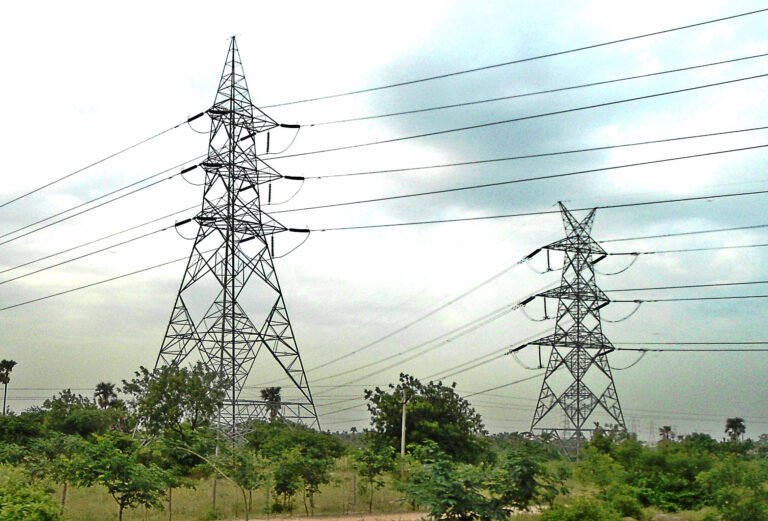
The scheme is designed to strengthen State-level transmission networks so they can evacuate up to 135 GW of renewable-energy capacity and improve grid flexibility as India adds more variable solar and wind generation.
According to the Ministry of New and Renewable Energy, GEC-III is targeted for completion by FY2032-33. The approved outlay includes ₹1,36,378 crore for intra-state transmission systems and ₹50,000 crore for 50 GWh of battery energy storage systems. Total Central financial support is set at ₹54,082 crore.
Source note: The ministry’s release states a total outlay of ₹1,86,405 crore, while its two listed components add to ₹1,86,378 crore. It does not explain the ₹27-crore difference; the figures above are reproduced as published.
The approval creates a multi-year infrastructure pipeline rather than a single contract. Individual transmission and storage packages will still need to move through planning, procurement, award and execution before physical construction begins.
The Cabinet-approved framework sets different implementation routes for new and existing transmission assets.
All greenfield projects under the intra-state transmission component are to be implemented through Tariff Based Competitive Bidding (TBCB). Transmission Service Providers will participate under a Build-Own-Operate-Maintain (BOOM) model.
Brownfield upgradation and network-strengthening works will be executed on a Cost Plus Basis. State Transmission Utilities will act as the overall implementing agencies.
For EPC contractors, transmission developers and equipment suppliers, that distinction matters because the commercial model, risk allocation and procurement process will differ between greenfield TBCB packages and brownfield strengthening works.
The scheme also provides for 50 GWh of battery energy storage systems, to be deployed at renewable-energy developer or generator locations or other points considered important for grid flexibility.
The stated objective is to help manage renewable intermittency, congestion, peak-hour curtailment and non-solar-hour demand.
The BESS component therefore expands GEC-III beyond conventional transmission-line and substation infrastructure. It introduces a large storage programme that will require its own engineering, civil works, power-conversion systems, battery enclosures, fire-safety systems, control infrastructure and grid interconnection.
Equipment Brief analysis: the storage component creates a parallel construction and electrical-infrastructure opportunity alongside transmission development. However, the Cabinet release does not yet break the 50 GWh target into project locations, package sizes, battery chemistries or procurement schedules, so those details should not be inferred at this stage.
Transmission and grid-storage development creates a different equipment profile from road or metro construction.
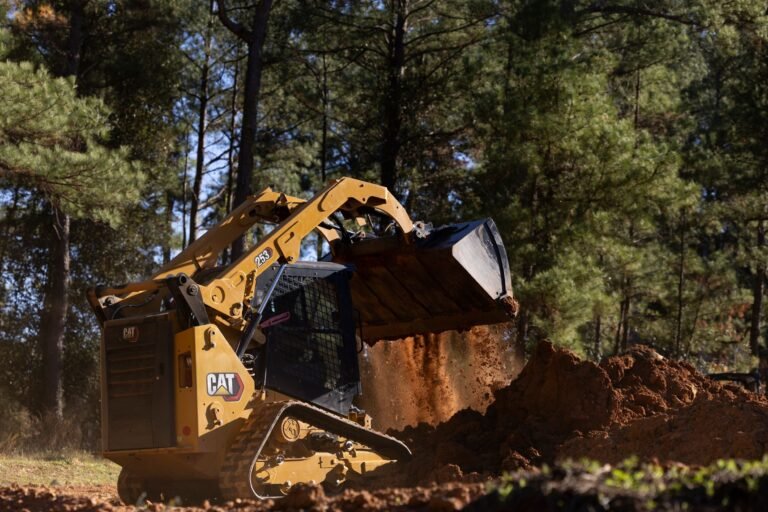
Equipment Brief analysis: depending on final project design and terrain, physical execution can require excavation and foundation equipment for towers and substations, cranes and lifting systems for structural and electrical installation, concrete equipment for foundations and control buildings, access-road construction machinery, cable-handling systems and specialist transport for transformers and other heavy electrical equipment.
BESS sites may also require earthworks, structural platforms, electrical rooms, fire-safety infrastructure and heavy-lift handling during installation.
Actual machine requirements will vary by project package and cannot be quantified until the implementing agencies issue detailed tenders.
The scheme includes ₹54,082 crore of Central financial support. The Government says this assistance is intended to offset intra-state transmission charges and help keep power costs lower.
From an infrastructure-investment perspective, the support mechanism is also important because transmission projects often need to be built ahead of or alongside generation capacity to avoid evacuation bottlenecks.
The GEC-III programme is therefore intended to align grid infrastructure more closely with the pace of renewable-energy development rather than allowing generation projects to outgrow available transmission capacity.
State Transmission Utilities will serve as the overall implementing agencies for the transmission component, while private or public Transmission Service Providers can participate in greenfield packages through TBCB.
This creates a state-level procurement pipeline rather than a single central tender.
Contractors and suppliers will therefore need to track individual State Transmission Utility packages, TBCB bid notices and brownfield strengthening programmes as they move from scheme approval into execution.
Equipment Brief is separately tracking India’s wider infrastructure pipeline, including 1,731 Central Sector infrastructure projects worth ₹33.60 lakh crore and major energy infrastructure such as the ₹2,448.70-crore Kochi–Thoothukudi gas pipeline.
The present status is Cabinet approval of the GEC-III scheme.
It should not be reported as a single ₹1.86-lakh-crore construction contract or as an awarded EPC package. Project-level procurement, contractor selection and construction awards will come later through the relevant implementing agencies and bidding routes.
That distinction is important because the headline outlay represents the full multi-year scheme, including transmission and BESS components, rather than one contract available to a single developer.
The next stage will be the translation of the national scheme into state-level transmission and storage packages.
For contractors, transmission-equipment manufacturers, EPC companies and storage-system suppliers, the key developments will be identification of participating States and Union Territories, project-level capacity, TBCB notices, brownfield strengthening packages and BESS procurement structures.
The programme is targeted for completion by FY2032-33, giving the sector a long-duration construction and equipment pipeline, but actual opportunity will depend on the timing and size of individual packages.
Source: Ministry of New and Renewable Energy / PIB, 30 September 2026.