KEC’s new POWERGRID orders cover design, supply and installation of 765 kV lines linked to evacuating 8.5 GW of Gujarat renewable energy. Route and execution dates remain undisclosed.

KEC’s new POWERGRID orders cover design, supply and installation of 765 kV lines linked to evacuating 8.5 GW of Gujarat renewable energy. Route and execution dates remain undisclosed.
KEC International has secured ₹2,872 crore of turnkey orders from Power Grid Corporation of India Limited for the design, supply and installation of 765 kV transmission lines. The company announced the wins on 24 October 2026.
KEC says the projects are associated with evacuating 8.5 GW of renewable energy from Gujarat. The announcement adds a substantial transmission package to the contractor’s workload, with relevance for foundation works, tower erection and line-stringing supply chains.
The development is a confirmed company announcement of orders secured. It does not disclose the line routes, package-wise values, completion dates or site-mobilisation status.
In its 24 October release, KEC describes the scope as design, supply and installation, and says the wins include its largest-ever single order in the India transmission and distribution business.
That record claim applies to an order included in the announced package. The release refers to orders in the plural, so the full ₹2,872 crore should not automatically be described as one contract.
The company also reports year-to-date order intake above ₹13,500 crore, including approximately ₹9,500 crore in transmission and distribution. These are order-intake figures, not revenue recognised or construction completed.
Equipment Brief analysis: a transmission award creates several different work fronts. Foundation construction, tower assembly and conductor stringing require different equipment, skills and access arrangements. Their timing depends on the approved design and when each section of the route becomes available.
For a plant-hire company, the headline contract value is therefore an early indicator of potential activity. It is not enough to estimate an excavator fleet or a crane mobilisation date. Those decisions need location-specific work quantities, ground conditions, lifting requirements and the contractor’s execution plan.
The 8.5 GW figure is similarly easy to misread. It describes the renewable-generation evacuation associated with the transmission projects. It is not a new generation-capacity award to KEC, nor a measure of the length of transmission line to be built.
Design, supply and installation under one scope means that equipment planning must follow the engineering and materials programme. Foundation designs influence excavation and concreting. Tower delivery and erection sequencing influence lifting requirements. Stringing then depends on structures and crossing arrangements being ready.
A supplier seeking work should establish which package and location the enquiry concerns, who is responsible for deployment and when the work front is expected to open. This avoids treating an order announcement as an instruction to reserve machinery immediately.
Long transmission corridors can also have uneven progress. One section may be ready while another waits for access, permissions or an interface to be resolved. The commercial question for a hire fleet is how standby time, movement between locations and demobilisation will be handled in the actual agreement.
The ₹2,872-crore POWERGRID announcement is distinct from the ₹2,044 crore of earlier KEC orders covered by Equipment Brief, which combined separate announcements and included wind EPC.
There is also a different Gujarat transmission award in the archive: Jyoti Structures’ ₹689.93-crore GETCO project. The employer, contractor and disclosed scope differ. These figures should not be combined into one project pipeline or used to infer shared mobilisation dates.
For equipment suppliers, the most useful follow-up disclosures would be the package locations, execution period and procurement contacts. Foundation quantities, access conditions and lifting plans would allow a more grounded assessment of machinery needs.
Before reserving machinery or subcontract capacity, suppliers should ask KEC or the relevant package team to confirm:
Until those details are available, the order is a clear signal of additional transmission workload for KEC, but not a confirmed equipment mobilisation schedule.
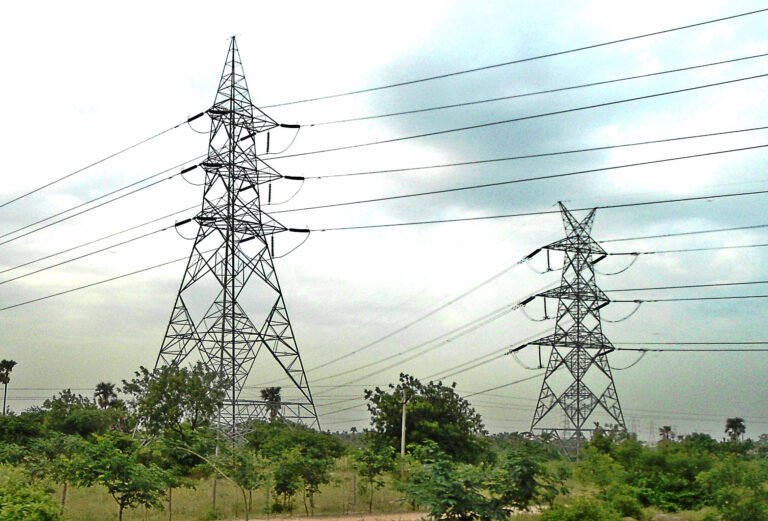
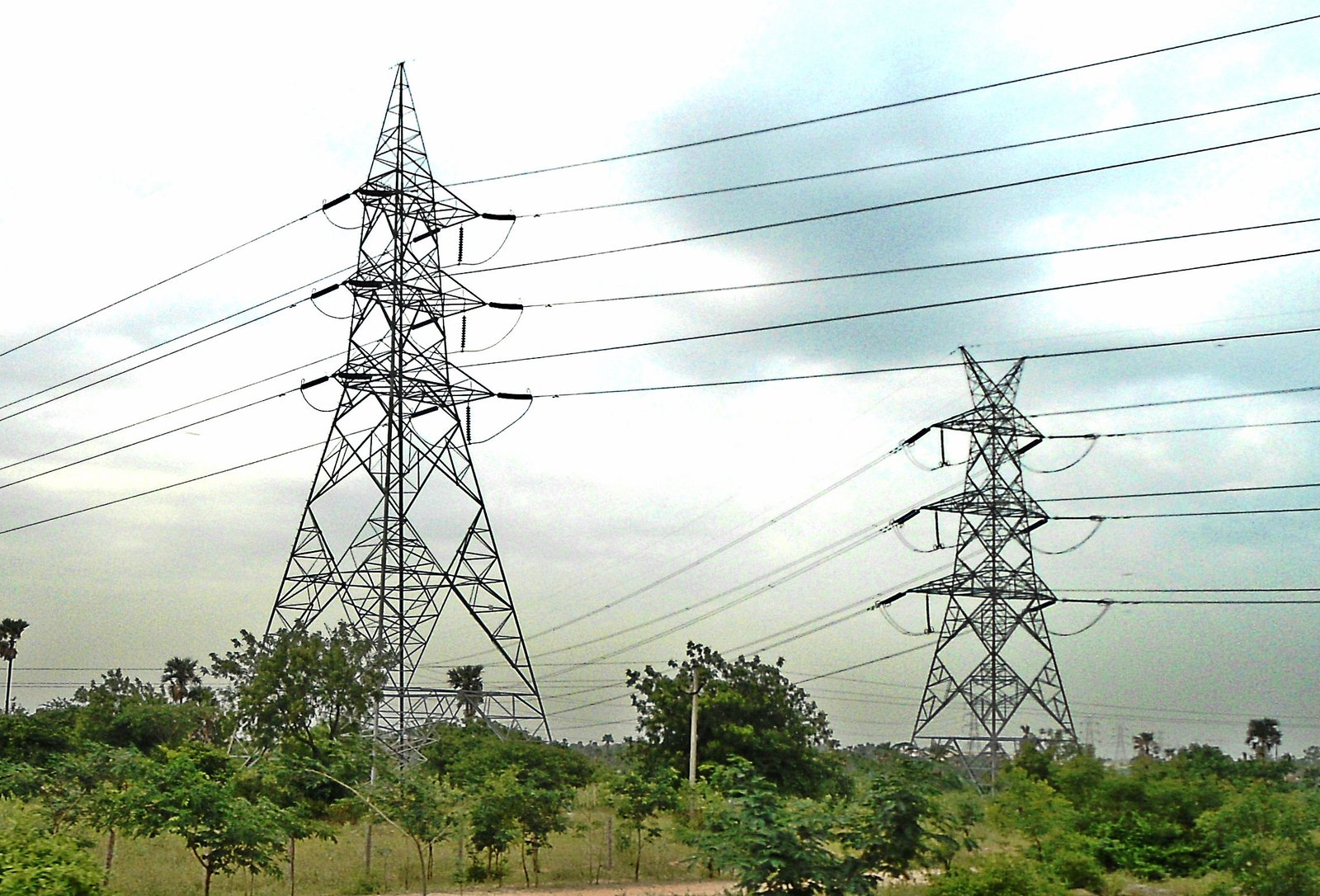
Featured photograph: transmission lines at Ranasthalam, Andhra Pradesh, September 2015. Representative archive image; it does not depict the newly announced POWERGRID projects. Photo: Adityamadhav83, via Wikimedia Commons, CC BY-SA 4.0. Theme crops may vary; photographic derivatives retain that licence.