Cubic metres describe volume, not a safe working load. Compare material density, machine configuration and the real loading cycle before buying.

Published: 28 October 2026. Equipment Brief specification analysis.
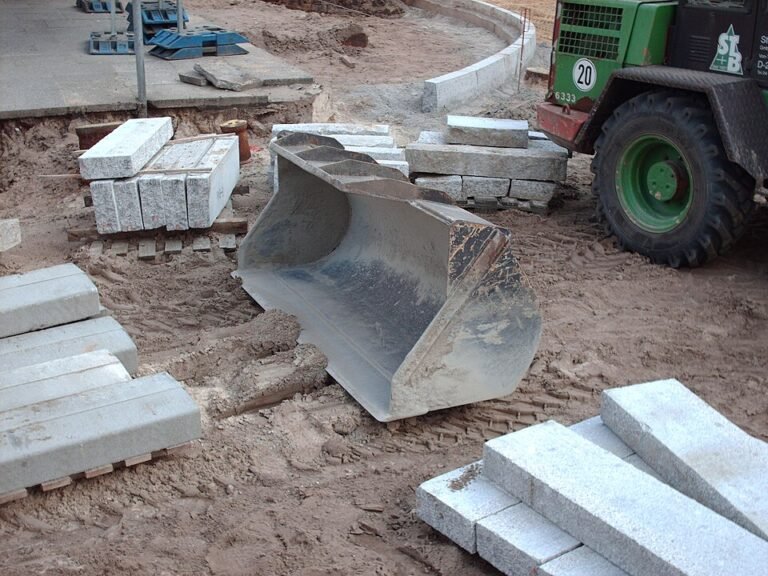
A bigger bucket does not necessarily carry more useful material per shift. Bucket volume, the mass of the material, the carrier’s permitted working load and the time needed for each cycle all enter the decision. Comparing only cubic metres can lead a contractor to shortlist the wrong loading package.
Bobcat’s loader-bucket guidance distinguishes struck capacity, filled level with the bucket, from heaped capacity. The manufacturer also links bucket selection to machine operating capacity and material density. Check the stated capacity basis before comparing two quotations.
The arithmetic below uses invented values solely to show how density changes mass. It does not describe a tested material, machine rating or permissible load.
| Assumed filled volume | Assumed bulk density | Calculated material mass |
|---|---|---|
| 0.5 m³ | 1,000 kg/m³ | 500 kg |
| 0.5 m³ | 1,600 kg/m³ | 800 kg |
Both examples occupy the same volume. The second contains 300 kg more material. Neither calculation includes bucket or coupler mass, and neither tells you whether a particular loader may safely handle it. For a real enquiry, obtain suitable material data and the manufacturer’s ratings for the complete configuration.
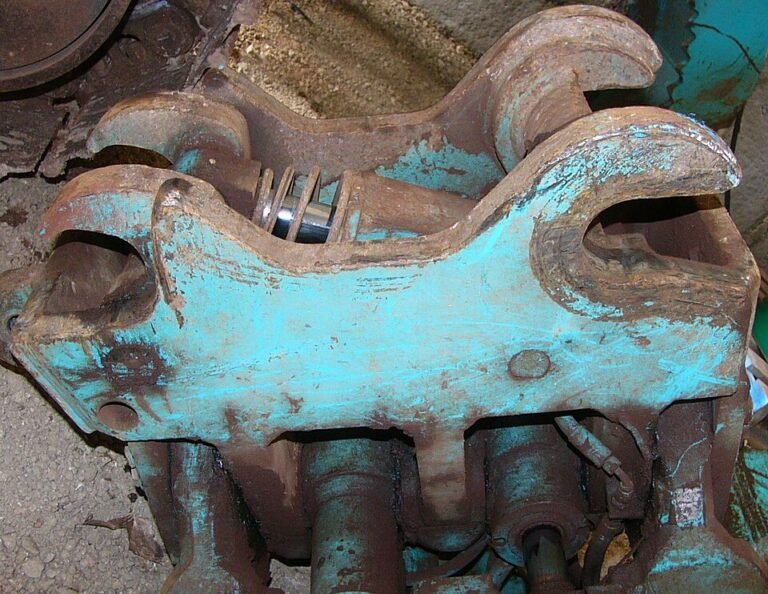
Bobcat’s compact-wheel-loader comparison guide explains that rated capacity and tipping load relate to defined conditions. It highlights the importance of machine position, attachment, coupler and tyres when comparing figures. A tipping-load number is not a recommended working load.
Equipment Brief analysis: ask the supplier to place the capacity statement and the quoted configuration on the same document. This prevents a large brochure number from becoming detached from the attachment, ballast or steering condition to which it applies. Do not substitute a figure from a related model because its engine power looks similar.
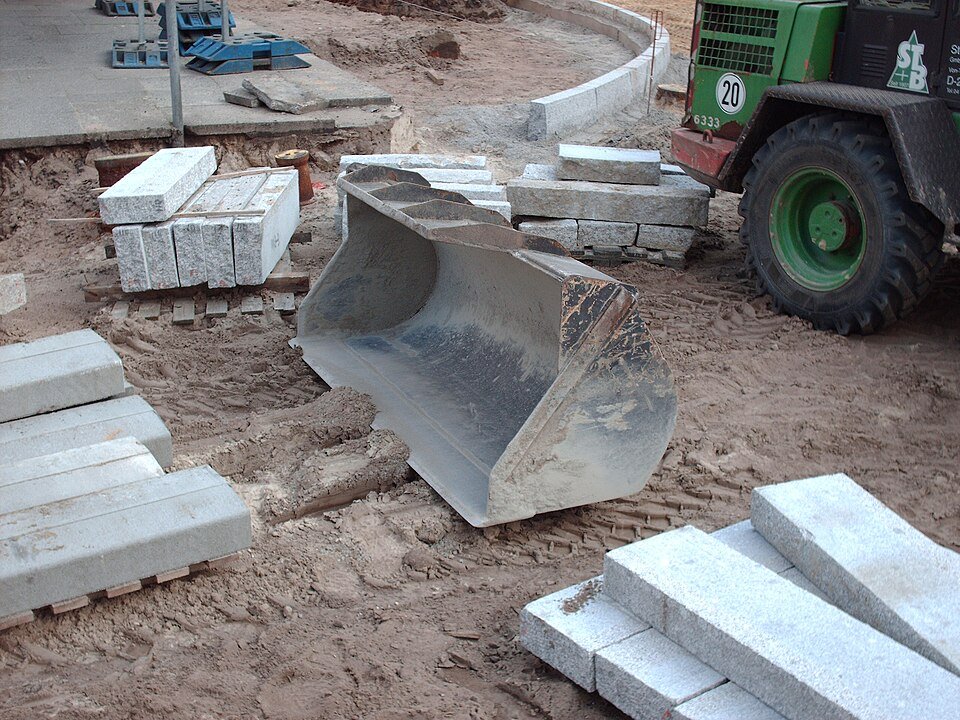
Bobcat’s loader-bucket guidance describes light-material buckets as high-capacity attachments for snow, mulch and other low-density materials. The application is part of the specification. Its volume is not a reason to use it for a denser material outside the approved combination.
When a fleet handles several materials, describe each duty to the supplier. A quotation can then distinguish an attachment intended for one stockpile from a general-purpose package. Include the actual loading space and truck interface rather than assuming a bucket that fits the carrier also fits every work area.
A procurement demonstration should answer how the package performs the intended task. Agree what to record before the trial: completed cycles, elapsed time, interruptions and the measured quantity moved. Keep the comparison conditions consistent enough to explain any difference.
A larger nominal volume may reduce the number of trips in one situation but increase manoeuvring or discharge difficulties in another. That is a question for an appropriate site trial, not a universal productivity percentage. Ask who will supply the measurement and how waiting time will be treated.
Our Komatsu and K-Tec scraper analysis examines the same distinction between nominal volume and a working package at a larger scale. For compact carriers, see the configuration notes in our Cat 253 review.
Manufacturer pages and image licence checked on 28 October 2026. Calculations are labelled illustrations. Follow the relevant machine and attachment manuals; this article does not establish a safe operating load.