How Telematics Is Transforming Construction Equipment Fleet Management

Construction equipment telematics has moved beyond basic machine tracking. Current systems can provide data on machine location, operating hours, utilisation, fuel consumption, alarms and maintenance, giving fleet managers a clearer view of equipment across multiple sites.

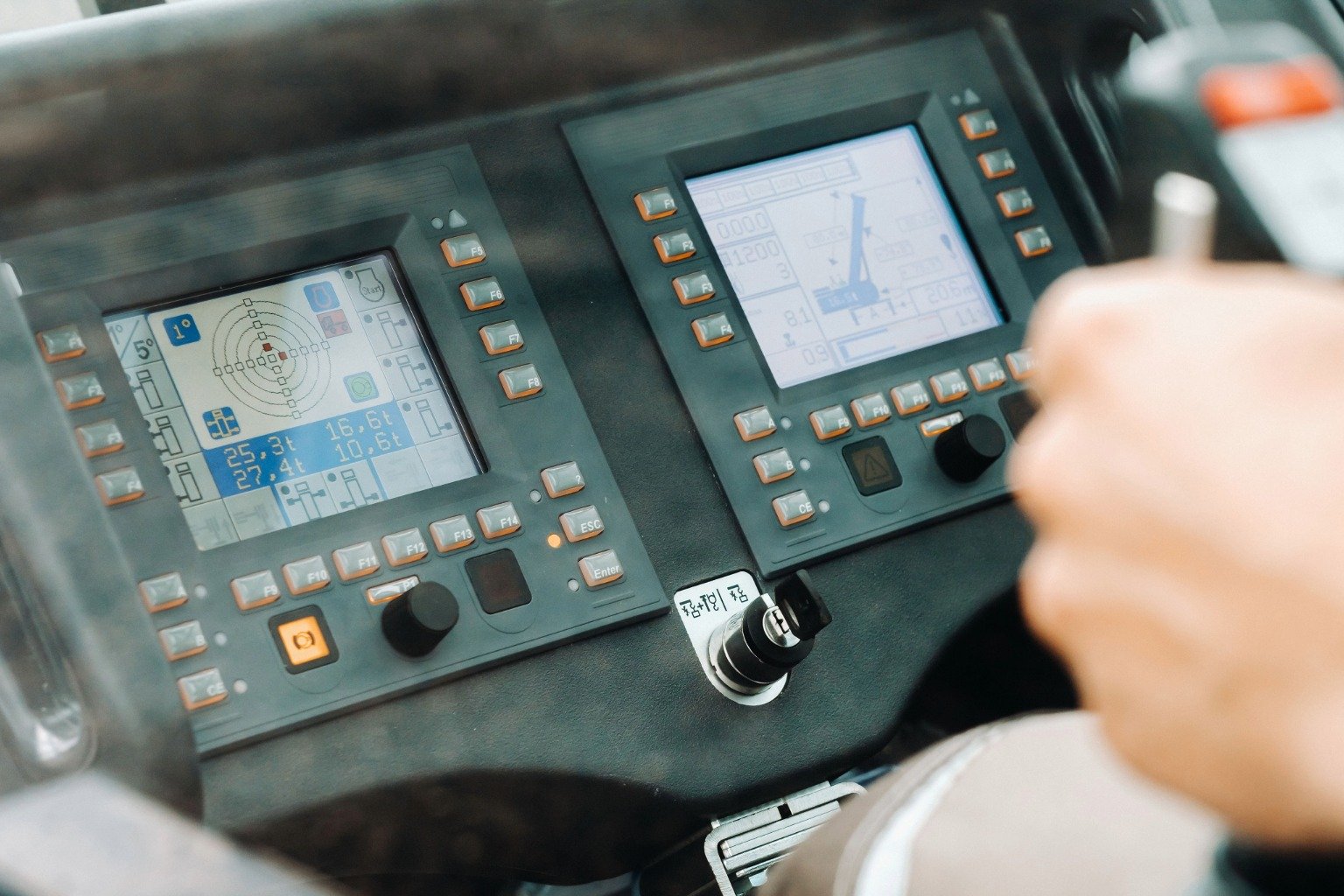
The practical value is in how that information is used. Contractors can examine machine utilisation, identify excessive idle time, monitor equipment status and plan maintenance using data collected from connected machines.

For larger fleets, particularly mixed fleets, the ability to bring this information into a common management system is becoming an important part of equipment planning.

What Telematics Provides

A telematics system collects machine information and sends it to a connected platform. The data available depends on the machine, the telematics hardware and the services provided by the equipment manufacturer.

Location is one of the basic functions. JCB LiveLink, Tata Hitachi InSite and Volvo CE CareTrack provide machine-location information. Geofencing is also available on supported machines and platforms, allowing operators to define operating areas and monitor machine movement.

Other data can include operating hours, fuel levels or consumption, utilisation and machine alarms. Volvo CE’s current CareTrack service, for example, provides machine location, fuel levels and total machine hours, along with information on utilisation, alarms, load efficiency and performance on its advanced service.

JCB says its LiveLink system currently connects more than 580,000 machines worldwide and supports more than 40,000 customers. The platform covers JCB and mixed fleets and provides information on machine location, utilisation, fuel consumption, maintenance requirements and security.

Utilisation Data and Fleet Deployment

Machine utilisation is one of the most useful areas of telematics for fleet managers.

Working hours, operating patterns and machine location can show whether equipment is being used as planned. A machine that spends significant time idle at one project may be available for another job, provided its capacity and project requirements match.

JCB LiveLink provides utilisation information and reporting, while Volvo CareTrack includes utilisation rates and production-related data.

This gives contractors a better operating record when deciding how equipment should be allocated. It does not replace the fleet manager’s judgement. Utilisation data still needs to be considered alongside the machine’s capacity, application, project schedule and transport requirements.

Fuel Consumption and Idle Time

Telematics can also make fuel consumption easier to monitor across equipment.

JCB LiveLink provides fuel-consumption information as part of its fleet-management data. Volvo CareTrack provides fuel levels and, on its advanced service, information on fuel consumption and utilisation.

The useful comparison is between fuel data and machine activity. Looking at consumption alongside operating hours and utilisation can help a contractor identify machines that require further investigation.

Telematics itself does not reduce fuel consumption. The reduction, where achieved, comes from changes made after reviewing the operating data.

How Telematics Is Transforming Construction Equipment Fleet Management

Maintenance and Machine Health

Connected equipment can also provide maintenance-related information and alarms before a machine reaches a scheduled workshop visit.

JCB LiveLink provides maintenance requirements and related machine information. Its current platform also includes security and alert functions.

Tata Hitachi’s ConSite takes a report-based approach. The system provides consolidated monthly operating reports, caution alarms and emergency notifications. Its performance-analysis function can benchmark a machine against similar-class machines in the region, while site-efficiency information is intended to help customers review machine operation.

Tata Hitachi’s current InSite-equipped machines include a 4G telematics device with information on machine location, geofencing, fuel level, asset operation and asset utilisation. The system also provides machine maintenance and service-due information and can be accessed through web and app interfaces.

These systems do not replace physical inspection or scheduled maintenance. They add machine-generated information to the maintenance process and can help service teams identify equipment that requires attention.

Alerts and Equipment Security

Telematics can also be used to monitor unexpected machine movement.

Geofencing allows a defined operating area to be associated with the machine. JCB LiveLink includes security functions and out-of-hours monitoring, while Tata Hitachi InSite provides location and geofencing functions on supported equipment.

For fleet operators, this can provide an early indication of unexpected movement. It should still be treated as a monitoring and alerting system rather than a substitute for physical site security and equipment controls.

Managing Mixed Equipment Fleets

Mixed fleets create a different challenge. A contractor may operate machines from several manufacturers, each with its own telematics platform.

JCB has developed LiveLink to cover both JCB and mixed fleets. The company says its platform can integrate data from more than 22 telematics systems, including OEM, aftermarket, rental and contractor data sources.

Volvo CE also supports fleet-data integration through its AEMP 2.0 API. The API is designed to retrieve mobile-equipment and associated telematics data and is compliant with the ISO 15143-3:2020 standard.

For contractors with equipment from multiple manufacturers, this interoperability can reduce the need to manage every machine through a completely separate information system.

Real-Time Data Needs to Be Understood Correctly

Telematics is often described as a real-time technology, but the actual reporting frequency depends on the platform and the type of data being collected.

Volvo CE describes CareTrack as providing up to real-time measuring frequency on newer machines. The service also provides information on machine status, utilisation and alarms, with more advanced production and performance data available through CareTrack Advanced.

That does not mean every parameter is continuously updated at the same frequency. Fleet managers need to understand what information is available, how often it is updated and whether the data is suitable for the decision being made.

This distinction becomes particularly important when telematics data is integrated into larger fleet-management or business systems.

Telematics Is Becoming a Fleet-Management Tool

The significance of telematics is shifting from simple asset location to a broader view of machine operation.

A connected fleet can provide information that helps managers examine utilisation, fuel consumption, machine status, maintenance requirements and unexpected movement. The next step is integrating those data streams so that fleet managers can compare equipment across projects rather than reviewing individual machines in isolation.

For contractors, the benefit comes from better visibility into the existing fleet. A machine’s location tells a manager where it is. Operating and maintenance data provide more context about what the machine is doing and whether it is ready for its next assignment.

That makes telematics a practical fleet-management tool rather than simply a tracking system. Its effectiveness, however, still depends on the quality of the machine data, connectivity, platform integration and the decisions made from that information.

Equipment Brief

Equipment Brief

Equipment Brief is an independent industry publication focused on construction equipment, heavy machinery, technology, manufacturers, projects and market developments. We bring the latest equipment news, machine launches, industry insights and analysis for professionals across the equipment and construction sector.
Keep in touch with our news & offers

Subscribe to Our Newsletter

Comments

Leave a Reply

Your email address will not be published. Required fields are marked *