Three final sections of the Western Dedicated Freight Corridor covering 326 route kilometres were commissioned in Gujarat on September 8, completing the DFC network.

Three final sections of the Western Dedicated Freight Corridor covering 326 route kilometres were commissioned in Gujarat on September 8, completing the DFC network.
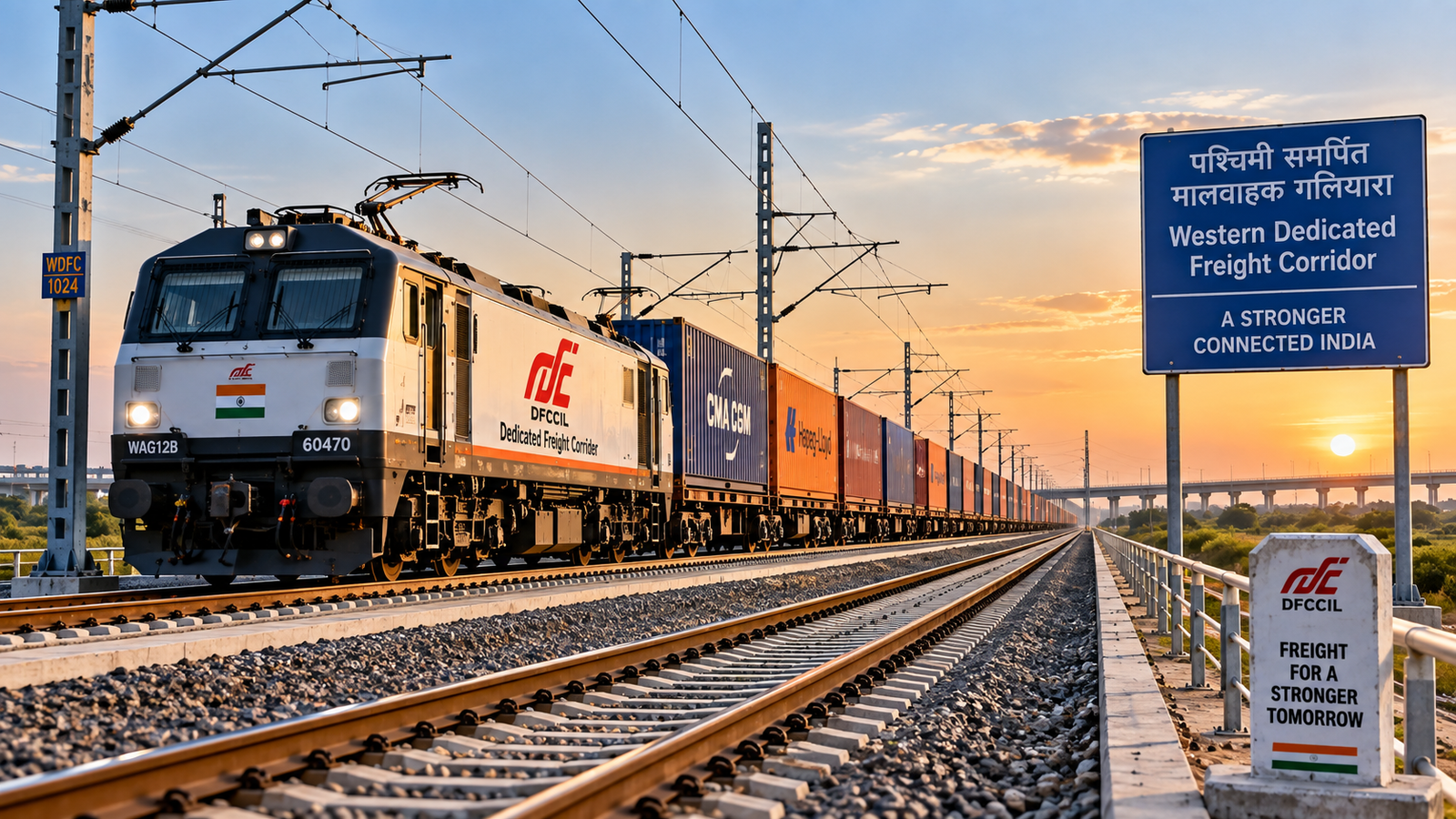
Three final sections of the Western Dedicated Freight Corridor (WDFC) covering 326 route kilometres were commissioned on September 8, 2026, completing the operational Dedicated Freight Corridor network.
The three sections are New Sanand (North)–New Makarpura, New Umbergaon–New Saphale and New Saphale–New JNPT. The government said the three sections were developed at a cost of more than ₹20,700 crore.
The final sections extend the Western Dedicated Freight Corridor to New JNPT, the dedicated-freight railway station associated with the Jawaharlal Nehru Port Authority (JNPA).
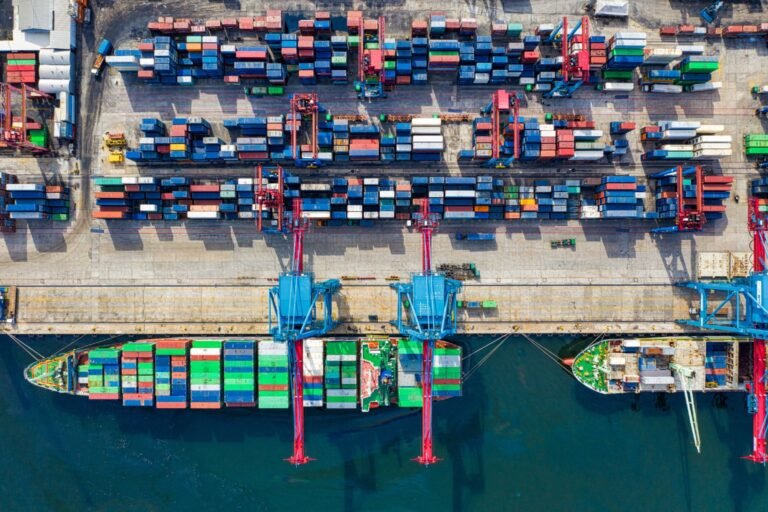
New JNPT is the railway station designation, while JNPA is the port authority. The new connectivity is intended to support the movement of export-import cargo between ports and industrial centres, strengthen logistics connectivity and help ease pressure on Mumbai’s railway network.
The commissioning of these sections completes the two Dedicated Freight Corridors in the network. The Western Dedicated Freight Corridor extends 1,506 km from Dadri to JNPT, while the Eastern Dedicated Freight Corridor extends 1,337 km from Ludhiana to Sonnagar.
Together, the two corridors cover 2,843 km.
The New Sanand (North)–New Makarpura section adds capacity through Gujarat’s industrial network. DFCCIL identifies the station as New Sanand (North) Jn.
The New Umbergaon–New Saphale and New Saphale–New JNPT sections extend the western corridor into Maharashtra and towards the port connection.
The September 8 programme also included the start of freight services from the newly commissioned locations.
That changes the nature of the project story. These sections have moved beyond construction and into operation.
For contractors and equipment suppliers, the main machinery demand associated with these packages belongs to the earlier construction phase. The next opportunities are more likely to come from freight terminals, feeder connectivity, logistics infrastructure, maintenance facilities and future capacity additions.
The Ministry of Railways says the completed Eastern and Western Dedicated Freight Corridors together handle more than 443 trains per day on average.
The ministry has also said that freight traffic shifted to the dedicated corridors has created additional capacity on the conventional railway network while supporting faster movement of cargo.
The Western Dedicated Freight Corridor is particularly important for port-linked freight. Its connection towards JNPT provides a dedicated freight route between the northern hinterland and the western port system.
For the construction industry, however, physical completion is only one part of the project story. The more useful indicators from here will be freight volumes, train frequency, terminal development, port connectivity and network utilisation.
The completion of the final WDFC sections therefore closes a major construction phase and puts the focus on how the infrastructure performs in regular freight operations.
For Equipment Brief readers, the next story is not another foundation stone or tender. It is whether the completed corridor delivers the freight capacity and connectivity for which it was built.