NHAI will install retrofit emission-control devices on 25 DG sets used on Dwarka Expressway Package-IV for lighting and associated operations; vendor, value and installation deadline are not disclosed.

NHAI will install retrofit emission-control devices on 25 DG sets used on Dwarka Expressway Package-IV for lighting and associated operations; vendor, value and installation deadline are not disclosed.
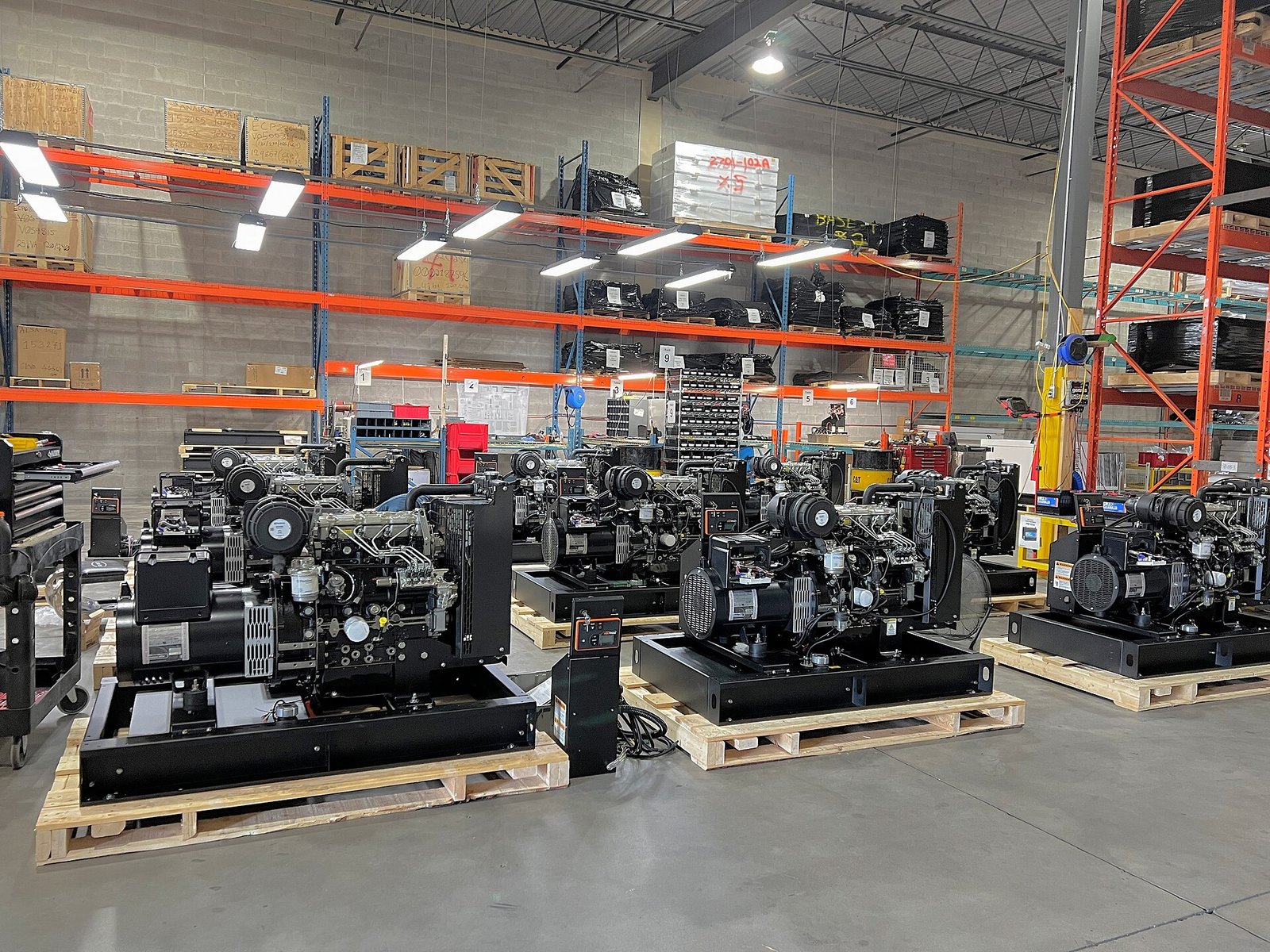
New Delhi, October 13, 2026: The National Highways Authority of India (NHAI) will install Retrofit Emission Control Devices (RECDs) on 25 diesel-generator sets deployed on Package-IV of the Dwarka Expressway, adding an emissions-control layer to highway lighting and associated operational power systems in Delhi-NCR.
The 25 DG sets are deployed along the 8.7 km Package-IV section connecting Basai with the Kherki Dhaula / Delhi-Gurugram Expressway cloverleaf intersection. NHAI announced the initiative on 9 October 2026.
The authority says the programme is being implemented in line with directions of the Commission for Air Quality Management (CAQM) on regulation of diesel-generator sets in the National Capital Region, particularly during winter air-pollution episodes under the Graded Response Action Plan.
NHAI says RECDs will be fitted to 25 DG sets used for expressway lighting and other associated operations.
The implementation scope includes installation, testing and commissioning of the retrofit devices together with comprehensive maintenance support.
The 9 October release does not identify the RECD manufacturer, individual device specification, DG-set ratings, project value, contractor, procurement route or installation deadline. Equipment Brief is therefore not assigning a vendor, cost or performance figure that NHAI has not disclosed.
Diesel generators remain part of backup and operational power arrangements at infrastructure assets where continuity of lighting, controls and other essential systems is required.
In Delhi-NCR, however, DG operation is subject to air-quality controls under CAQM directions. NHAI says the Dwarka Expressway retrofit is intended to strengthen compliance with those requirements and reduce emissions from DG sets used on the corridor.
Equipment Brief analysis: the relevance for infrastructure operators is that environmental compliance is increasingly extending beyond construction-phase machinery to the equipment that supports asset operation after commissioning. Backup power, lighting, control systems and maintenance equipment can therefore become part of the compliance scope.
NHAI says GPS-tagged photographs of each RECD installation will be maintained for verification and compliance purposes.
That detail is significant because the programme is not limited to equipment fitment. It also creates a documentation and traceability requirement around where devices are installed and how compliance is demonstrated.
The authority has also specified comprehensive maintenance support, making lifecycle service part of the implementation rather than treating the retrofit as a one-time hardware installation.
For RECD suppliers and service providers, that means technical suitability, installation quality, testing, commissioning, maintenance capability and compliance documentation can all matter in infrastructure applications.
The NHAI release does not state a tender value or contract award. It also does not identify a successful bidder or say that one supplier will provide all 25 devices.
Equipment Brief therefore treats the current development as an NHAI implementation initiative rather than a reported procurement award.
Any later tender, L1 declaration, Letter of Award or vendor appointment should be reported separately if supported by NHAI, CPPP or another official procurement record.
Equipment Brief analysis: the Dwarka Expressway deployment is small compared with major civil-work packages, but it is useful as an operating-infrastructure technology signal.
Highways, tunnels, toll infrastructure, control rooms and roadside systems can rely on distributed power equipment. Where DG sets remain necessary, emissions-control requirements may create retrofit and maintenance work for equipment and environmental-technology suppliers.
The commercial opportunity cannot be extrapolated from 25 units alone. Wider demand will depend on CAQM rules, individual asset configurations, generator ratings, existing compliance measures and the procurement decisions of each highway or infrastructure operator.
Equipment Brief has also tracked NHAI’s broader environmental engineering work in its report on ₹19,700 crore of wildlife-mitigation and environmental safeguards across National Highways.
The next useful evidence will be procurement or implementation records identifying the RECD specifications, supplier or suppliers, project value and installation schedule.
Until those details are published, the verified position is limited to NHAI’s plan to install and commission RECDs on 25 DG sets at Dwarka Expressway Package-IV, with maintenance and GPS-tagged compliance records included in the initiative.
Primary source: Ministry of Road Transport & Highways / PIB, 9 October 2026.
Featured image: Diesel generator sets photographed by Aurora Generators / Wikimedia Commons, used under CC BY 4.0. Representative image; it does not show the Dwarka Expressway Package-IV generators or installed RECDs.