Volvo-branded machine orders rose 16% in Q3, but total volumes reflect SDLG’s divestment. A closer reading of the results and their relevance to Indian equipment buyers.

Volvo-branded machine orders rose 16% in Q3, but total volumes reflect SDLG’s divestment. A closer reading of the results and their relevance to Indian equipment buyers.
Volvo Construction Equipment’s Volvo-branded machine orders rose 16% year on year in the third quarter of 2026, while deliveries increased 8%. The results, released on 23 October, point to stronger demand for the brand, but need to be read alongside the changed reporting perimeter following the sale of SDLG.
Volvo CE reported net sales of SEK 19,904 million, up 5%, and an adjusted operating margin of 16.1%, compared with 14.4% a year earlier. Organic service sales grew 5%, according to its quarterly announcement.
The Volvo Group report, pages 12–13, separates the Volvo brand from total construction-equipment volumes:
| Measure | 2026 | 2025 | Change |
|---|---|---|---|
| Volvo-brand orders | 7,114 | 6,127 | +16% |
| Total CE orders | 7,250 | 10,546 | −31% |
| Volvo-brand deliveries | 7,309 | 6,779 | +8% |
| Total CE deliveries | 7,435 | 11,198 | −34% |
SDLG was divested on 1 September 2025. The earlier quarter therefore included SDLG machines that are absent from the current totals. Volvo attributes the decline in total orders and deliveries to that divestment. Applying the 16% increase to the entire construction-equipment business would misstate the comparison.
Volvo describes growth in the Indian and Southeast Asian equipment markets, supported by infrastructure spending and industrial investment. Yet its reported Asia sales fell to SEK 2,906 million from SEK 5,246 million. The report does not disclose an India-only sales figure.
Those measures answer different questions. A regional revenue total can change because of the businesses consolidated, currency movements and the product mix sold. An assessment of the wider machinery market concerns customer demand across suppliers. Neither should be presented as a precise growth rate for Volvo’s Indian sales.
Equipment Brief analysis: Indian dealers and rental businesses can use global results to frame customer conversations, but local fleet decisions still need local evidence. Enquiries, machines actually delivered, rental utilisation and payment collections are more useful for deciding whether to add equipment at a particular branch.
For a fleet owner, service growth raises practical questions about support rather than establishing a productivity benefit by itself. Before renewing a maintenance agreement, compare the promised response time, stocked parts, inspection coverage and responsibility for major components with the operating hours the fleet is expected to work.
Ask whether a contract covers travel, diagnostics and labour as well as parts. Check how planned maintenance will be scheduled around production and whether repair records can be exported when the machine is sold. A subscription or service package is easier to assess when its scope is written against the machine’s duty cycle.
Our explanation of equipment telematics and fleet management sets out the information needed to make those discussions measurable.
Three checks are useful after a positive OEM results announcement:
The quarter’s results also differ from the recently announced Volvo Mining business. One measures past trading performance; the other concerns a planned business structure. Neither announcement, on its own, establishes a new India-specific product launch or procurement programme.
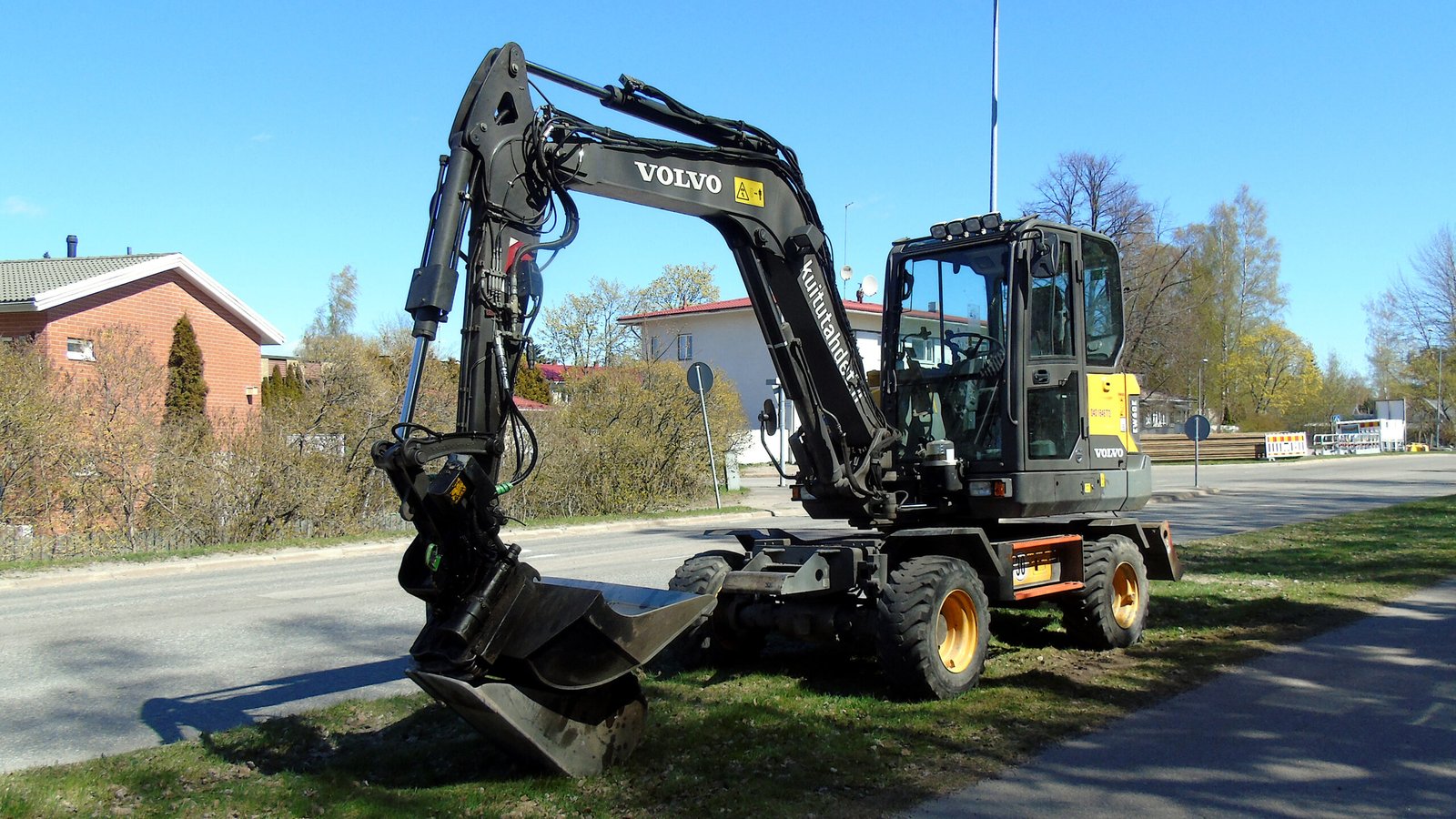
Featured photograph: Volvo EW60E wheeled excavator in Helsinki, 9 May 2020, by Kahvilokki / Wikimedia Commons, CC0 1.0. Representative archive image; not a new machine launch or a depiction of Q3 2026 deliveries. Display resized and cropped to fit the theme.