September’s provisional core-industry figures show stronger output in cement, steel, coal and iron ore. Equipment suppliers should read the release alongside project execution, fleet utilisation and customer cash flow.

September’s provisional core-industry figures show stronger output in cement, steel, coal and iron ore. Equipment suppliers should read the release alongside project execution, fleet utilisation and customer cash flow.
India’s Index of Core Industries grew 7.9% year on year in September 2026, with cement output rising 9.8% and steel 4.9%. For construction-equipment suppliers, the figures offer a useful reading of industrial activity, but they do not measure machinery orders or contractor fleet purchases.
The Ministry of Commerce & Industry released the data on 21 October 2026. September’s figures are provisional. The index uses 2022–23 as its base year and the published sector table includes iron ore alongside the other core industries.
The official release and annexures show the following output changes:
| Sector | Year-on-year growth |
|---|---|
| Overall index | 7.9% |
| Cement | 9.8% |
| Steel | 4.9% |
| Coal | 10.7% |
| Iron ore | 18.4% |
| Electricity | 11.4% |
For April–September, the overall index grew 5.1%, compared with 2.5% in the corresponding period a year earlier. The ministry revised August’s growth from a provisional 4.8% to a final 5.9%. Fertilisers, natural gas and crude oil recorded year-on-year declines in September.
Equipment Brief analysis: cement production is relevant to the construction supply chain because concrete-intensive work requires material production, transport and placement to operate together. The equipment connection can extend from batching and mixing to pumping, lifting and site logistics.
However, production at the national level does not identify the project using that material. It cannot tell a pump supplier which contractor will place an order, or a rental company when a particular site will mobilise.
Suppliers can use the release as a prompt for customer checks. Ask whether concrete volumes are moving through active sites, whether existing pumps and batching plants have spare capacity and whether additional equipment would solve a confirmed production constraint. These questions turn a broad market signal into a decision about a specific fleet.
Equipment Brief’s guide to concrete pumps, batching plants and mixing technology explains why matching those stages matters. A higher-capacity machine has limited value if the rest of the concrete supply chain cannot keep it working.
The steel, coal and iron-ore figures cover distinct industrial activities. They should not be combined into a single claim about construction demand. Higher mine output may be handled by existing fleets working more hours, while a steel producer’s output increase need not involve a new plant project.
For a mining-equipment or wear-parts supplier, the useful follow-up is therefore utilisation: are customers increasing machine hours, accelerating maintenance or changing material-handling requirements? For a construction-equipment dealer, the question is whether actual civil works and installation packages are advancing.
Distinguishing those channels also helps avoid double counting. The same broad industrial expansion can appear in material production, contractor order books and infrastructure announcements, without representing three separate equipment purchases.
The September comparison is with September 2025. It is not a statement that output increased 7.9% from August. Contractors and suppliers planning monthly dispatches should avoid using the headline that way.
Revisions matter as well. August’s change between the provisional and final releases shows why a single early estimate should not become a fixed assumption in a sales forecast. Keep the release date, comparison period and provisional status beside the number in any internal market presentation.
The same discipline applies to machinery-market forecasts. An industrial-output index measures production in its constituent sectors. Equipment demand depends additionally on capacity already installed, fleet age, financing, serviceability and the timing of individual projects.
Equipment suppliers can combine three layers of evidence:
For project context, the recent H1 FY27 highway-awards figures track a different stage of the pipeline. Equipment Brief’s review of contractor order books and execution explains why a large backlog alone does not establish the pace of work.
The next scheduled core-industry release, covering October, is due on 20 November 2026. Until then, September’s provisional numbers support closer attention to active customers and operating fleets; they do not justify assigning a matching growth rate to construction-equipment sales.
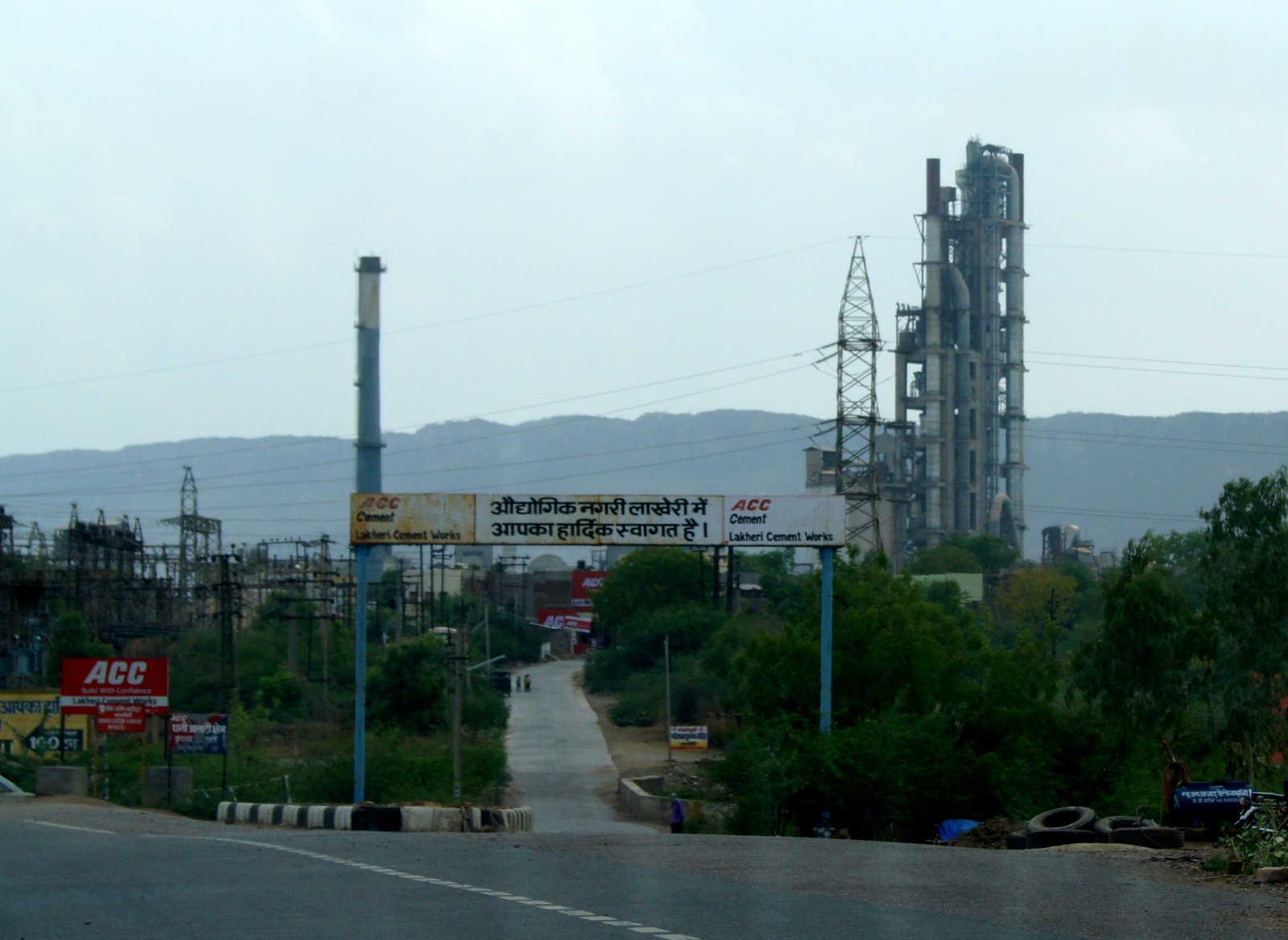
Featured photograph: ACC cement plant at Lakheri, Rajasthan, photographed in June 2011 by Manojmeena / Wikimedia Commons, CC BY-SA 3.0. Representative archive image; it does not depict September 2026 output. Displayed to fit the page.