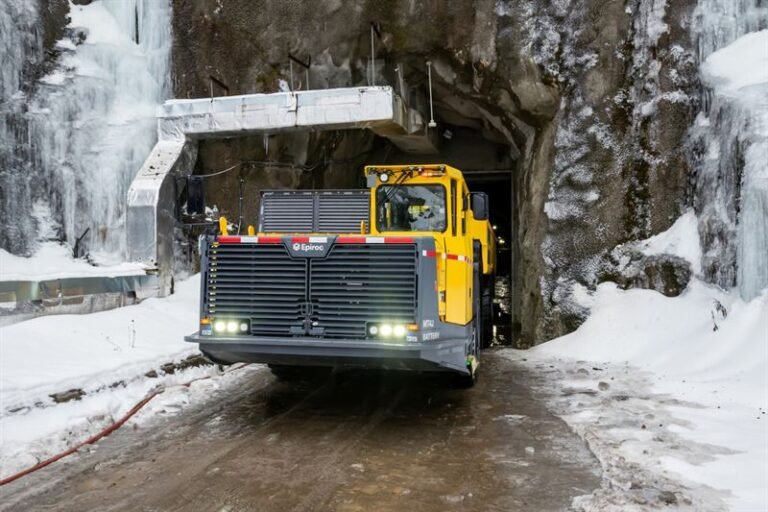
Epiroc’s upgraded 10-tonne Scooptram ST10 P brings standard high lift and revised controls. Worldwide orders opened on 1 October 2026, the company says.

Epiroc’s upgraded 10-tonne Scooptram ST10 P brings standard high lift and revised controls. Worldwide orders opened on 1 October 2026, the company says.
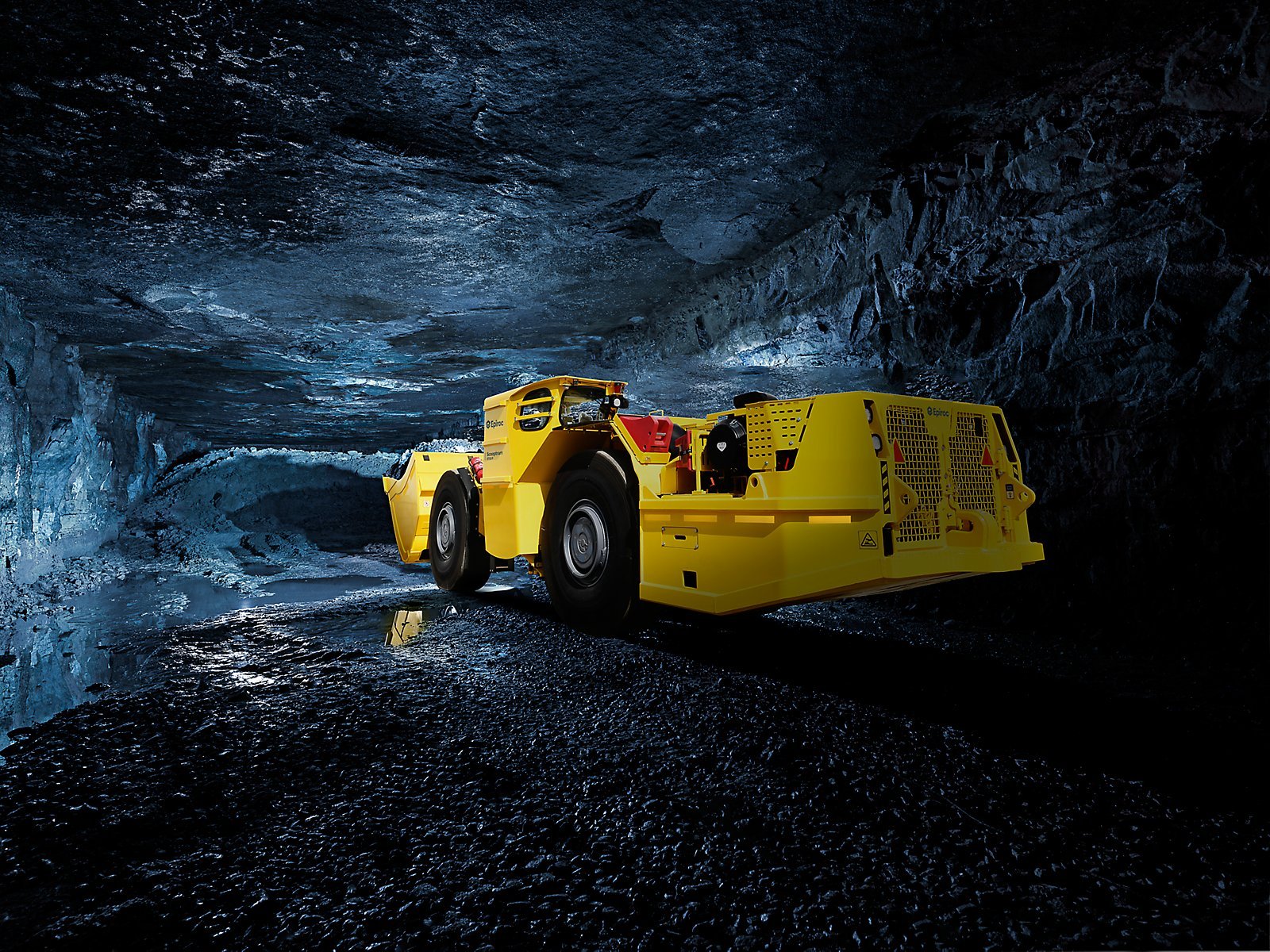
Epiroc has upgraded its 10-tonne Scooptram ST10 P underground loader, making high lift standard and adding revised electronic controls and a Stage V engine option. The company announced the update on 14 October 2026.
In its official announcement, Epiroc says the ST10 P and low-profile ST10 P L have been available to order worldwide since 1 October. The platform develops the existing ST1030.
Epiroc reports a 5% increase in hydraulic breakout force, a revised bucket dump angle and a new programmable controller with diagnostic and fault-protection functions. It also offers line-of-sight radio remote control. The Stage V engine is an option, rather than a statement that every machine has that configuration.
The announcement does not provide Indian pricing, customer delivery dates or independently verified production results.
Equipment Brief analysis: a stronger front end and a high-lift arrangement matter only when they fit the loading system. Mine operators should evaluate the loader alongside the receiving truck, loading-point geometry, material characteristics and haul distance.
More breakout force is not the same as a matching percentage increase in tonnes moved per shift. Truck availability, travel time, fragmentation, congestion and maintenance can determine the result. A useful procurement trial would compare complete loading cycles under representative conditions, with fuel consumption and downtime recorded alongside output.
That approach is relevant to Indian underground-mine operators considering replacement equipment or additional capacity. Our guide to mining and quarrying equipment provides wider context for matching machines to the production system.
Line-of-sight remote control should be evaluated as an operating mode with its own limits. It should not be treated as proof of autonomous operation or unrestricted control from a distant office.
Before deployment, buyers should establish how the operator maintains visibility, where personnel may stand, how the work area is isolated and what happens if the control link is lost. Training, inspection and recovery procedures form part of the implementation, alongside the remote-control equipment itself.
For fleet strategy, this sits alongside the broader push to coordinate mining machines, trucks and operating systems, including Volvo’s planned dedicated mining business. The two announcements describe different approaches and do not establish compatibility between their products.
Buyers should request the exact engine and emissions configuration, mine-clearance requirements, remote-control scope, parts package and service responsibilities. The standard and low-profile versions also require separate checks against the mine’s operating envelope.
A worldwide order opening is useful commercial information, but it does not set a particular mine’s delivery or commissioning date. Those commitments need to appear in the supplier’s quotation and execution plan.
Featured photograph: Scooptram ST10 P underground loader. Asset: Epiroc. © Epiroc. Reproduced for editorial coverage under Epiroc’s media permissions. Reporting checked on 21 October 2026. Performance improvements above are manufacturer claims.