Announced on 23 October, the operating milestone was reached in July. It puts maintenance, component history and cost per tonne at the centre of the equipment-buying discussion.

Announced on 23 October, the operating milestone was reached in July. It puts maintenance, component history and cost per tonne at the centre of the equipment-buying discussion.
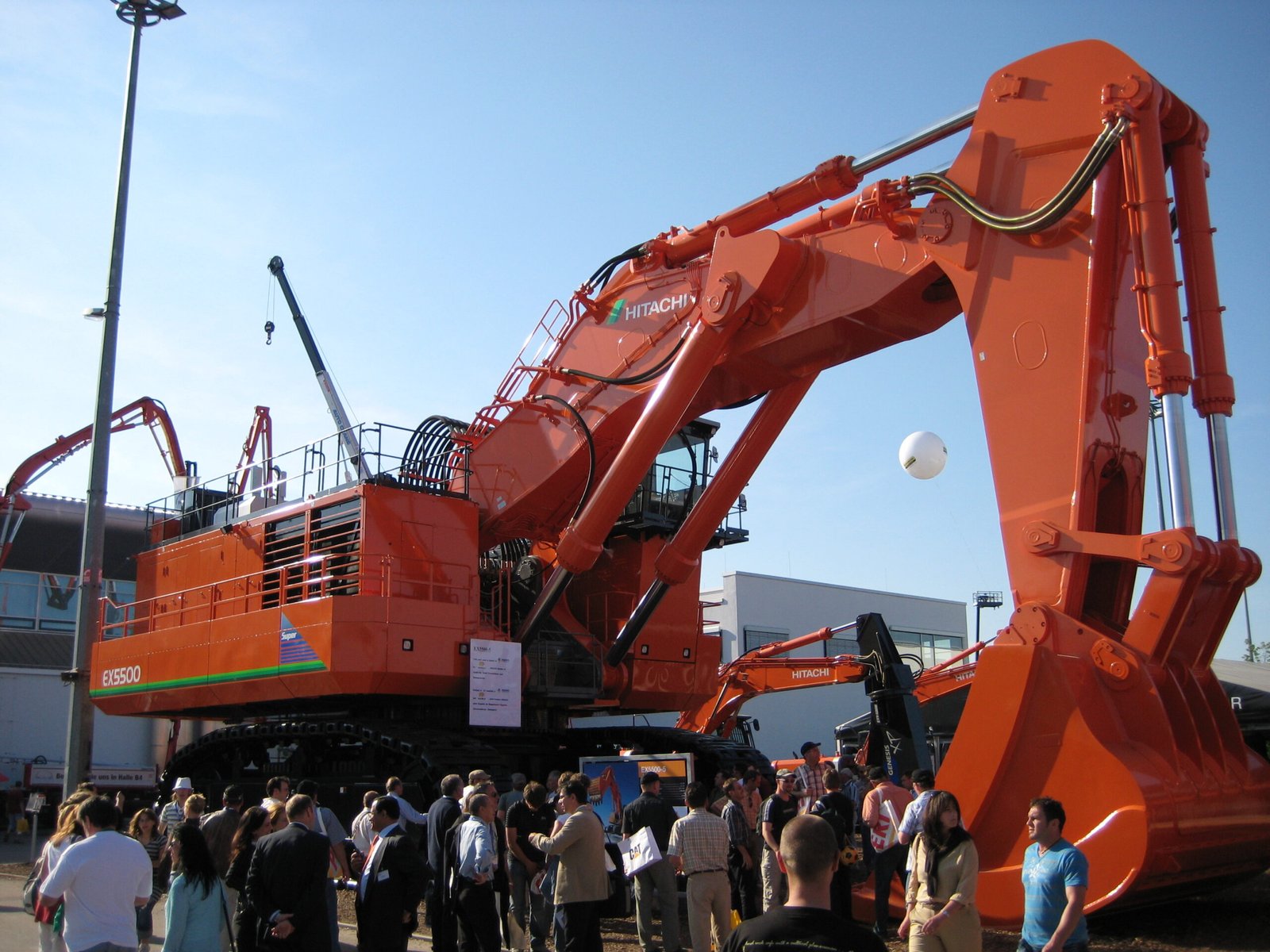
A Hitachi EX5500-6 excavator at Mozambique’s Moatize coal mine has passed 100,000 operating hours and remains in service, the manufacturer announced on 23 October 2026. For mine owners and contractors, the useful question is what it took to keep the machine working—and whether the same support can be secured for their own fleets.
According to Hitachi Construction Machinery’s announcement, the excavator was delivered in June 2010 and reached the milestone in July 2026. A ceremony followed on 27 August. This is newly released news about an operating machine, rather than a new excavator launch or a milestone achieved this week.
Vulcan Mozambique operates the mine in Tete Province. Hitachi says its local business provides on-site technical assistance, maintenance, repairs and parts. The mine currently uses five Hitachi ultra-large hydraulic excavators and 14 rigid dump trucks.
The release does not publish the excavator’s overhaul history, availability, lifetime production, maintenance expenditure or cost per tonne. Its longevity is therefore a manufacturer-reported achievement, not an independently demonstrated claim of lower operating cost.
Equipment Brief analysis: a high hour-meter reading is useful evidence of an asset’s service life. It does not tell a mine planner how much material the machine moved, how long it was unavailable or how much was spent to maintain it.
For an Indian mining contractor considering a rebuild, the stronger comparison starts with the next operating period. What production is required? Which major components are approaching intervention? How long would each repair take, and what backup capacity is available while the excavator is stopped?
A machine that can remain in service may still be unsuitable for a new production target. Equally, replacing a serviceable unit before examining its condition and repair options can commit capital without solving the actual bottleneck. The loading unit, haul fleet and material conditions need to be assessed together.
Before using a longevity example in an equipment purchase or rebuild proposal, ask for a record that follows the major components. Engine, hydraulic system, undercarriage and structural repairs should be identifiable by date and operating hours, with inspection findings and the reason for intervention.
Separate scheduled work from breakdowns. Record both the repair bill and the time the machine was unavailable. This helps distinguish an orderly rebuild programme from repeated reactive repairs that are difficult to forecast.
Fleet telematics can help organise operating data, but the procurement team still needs consistent records and agreed definitions. “Availability”, “utilisation” and “operating hours” should mean the same thing in the contractor’s report and the supplier’s proposal.
These are questions for a written scope, not assumptions that can be transferred from a different mine. The Moatize example does not establish identical conditions, service capacity or commercial terms in India.
When comparing ownership options, set acquisition cost beside planned repairs, consumables, support and lost production. Test the calculation against the tonnes the fleet is realistically expected to move. Equipment Brief’s mining and quarrying equipment overview provides the wider fleet context.
Moatize’s 100,000-hour excavator gives buyers a useful starting point for that discussion. A purchasing decision still needs the machine’s condition, a costed maintenance plan and credible support at the site where it will work.
Featured photograph: a Hitachi EX5500 displayed at bauma on 26 April 2007, by Aconcagua / Wikimedia Commons, CC BY-SA 3.0. Representative archive image of an earlier EX5500; it is not the EX5500-6 at Moatize. Display resized and cropped to fit the theme; photograph remains under CC BY-SA 3.0.