National Highway projects awarded reached 2,236.3 km in April–September 2026, up 62.9% year on year, according to MoSPI’s quarterly PAIMANA update.

National Highway projects awarded reached 2,236.3 km in April–September 2026, up 62.9% year on year, according to MoSPI’s quarterly PAIMANA update.
National Highway projects awarded reached 2,236.3 km during April–September 2026, a 62.9% year-on-year increase, according to the Ministry of Statistics and Programme Implementation. The figure covers the first half of FY2026–27 and measures awards, rather than roads completed.
MoSPI published the statistic in its 16 October quarterly PAIMANA Performance Monitoring Dashboard update. The dashboard now covers 184 indicators, with 21 added and data refreshed for 41.
Equipment Brief analysis: an increase in awarded highway length is a useful signal for the future construction pipeline. It does not directly quantify excavator sales, paver orders, rental bookings or plant already mobilised.
Equipment requirements depend on which packages move into execution, the type of work, the contractor’s existing fleet and the sequencing of construction. Two projects with similar route length can have very different needs if one involves earthworks and pavement while the other has major bridges, tunnels or urban structures.
Suppliers should therefore use the national figure to guide market screening, then qualify opportunities at package level. Our guide to road-construction equipment explains the different roles of earthmoving, compaction, pavement and supporting plant.
The important commercial sequence is the award, fulfilment of project conditions, access to work fronts, mobilisation and physical execution. A national award total does not show that every project has crossed all of those stages.
Before treating a contract as an equipment sales lead, suppliers should establish the appointed contractor, package scope, execution schedule and actual procurement requirement. They should also check whether the requirement will be met through owned machines, subcontractors or rental fleets.
Equipment Brief’s guide to L1 status and letters of acceptance explains why a lowest bid and a confirmed award should be tracked separately. The MoSPI series discussed here is an aggregate award measure.
The same release reports 390.4 million tonnes handled at major ports in April–August 2026, up 7.2% year on year. That five-month cargo series has a different period and measures infrastructure use, rather than construction contracting.
For market analysis, award length, cargo throughput and installed capacity should not be added together as though they describe one pool of construction spending. Each indicator answers a different question. Contractors and equipment suppliers need the underlying project and procurement evidence before translating a broad growth signal into an order forecast.
The useful follow-through is whether awarded packages enter execution and whether contractors disclose equipment requirements. Tender notices, award records, project progress and contractor order books can help connect the national trend to actual work fronts.
MoSPI schedules the next dashboard update for 15 January 2027. Until then, the present release supports a stronger highway-award pipeline; it does not establish that construction output or equipment demand rose by the same percentage.
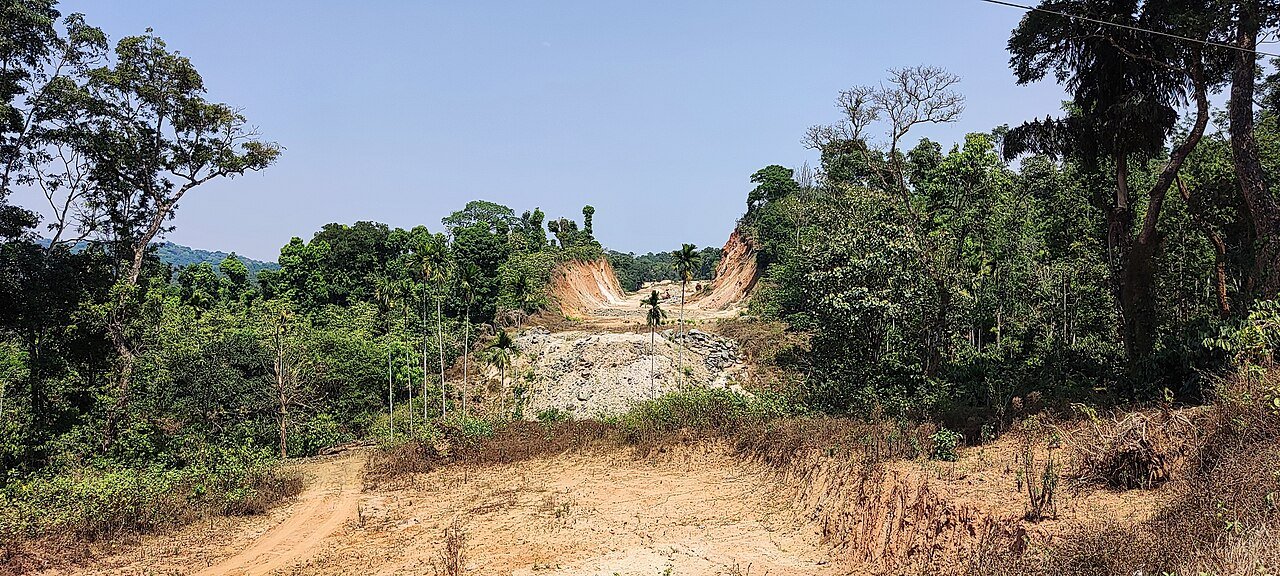
Featured photograph: Shyamal / Wikimedia Commons, road construction near Sakleshpur, India, 2022, CC0. Representative archive image, not a photograph of a package counted in this release. Reporting checked on 21 October 2026.