India’s construction-equipment exports are heading towards 20,701 units in FY27, as Stage V norms, trade agreements and OEM localisation widen the market for Indian-made machines.

India’s construction-equipment exports are heading towards 20,701 units in FY27, as Stage V norms, trade agreements and OEM localisation widen the market for Indian-made machines.
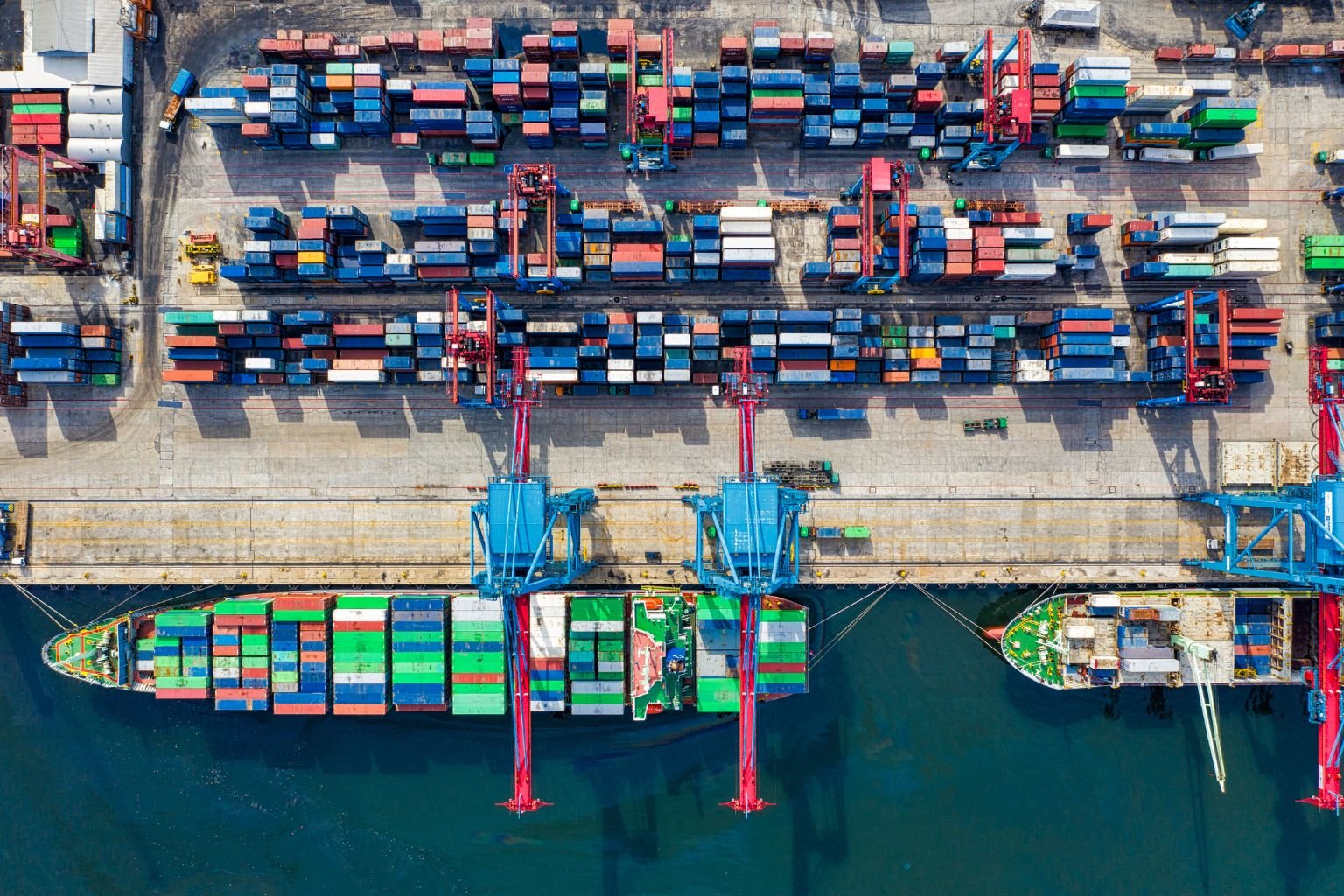
India’s construction-equipment export story is moving into a different phase. Industry estimates point to exports crossing 20,000 units in FY27, while Indian manufacturers are increasingly targeting developed and higher-specification markets rather than relying primarily on neighbouring South Asian destinations.
The Economic Times reports that the Indian Construction Equipment Manufacturers’ Association (ICEMA) expects construction and infrastructure equipment exports to reach 20,701 units in FY27, compared with 17,396 units in FY26. That implies growth of about 19% in one year. The same ET report says exports grew about 32% in FY26 and stood at 11,990 units in FY24.
Equipment Brief analysis: the important change is not simply the number of machines shipped. It is the market mix behind that growth. India’s equipment makers are increasingly using domestic engineering and manufacturing capacity to address markets where emissions compliance, product specification and trade access matter more than proximity alone.
According to ET, ICEMA president Deepak Shetty said India’s move to Stage V emission norms for construction equipment has opened opportunities in developed markets. He also pointed to tariff concessions under recently signed free-trade agreements as another factor behind a shift in export demand away from South Asian markets such as Nepal, Sri Lanka and Bangladesh towards more developed geographies. The Indian regulatory context is examined in Equipment Brief’s CEV Stage V analysis.
The destinations being highlighted now include Europe, the United States, Australia and Southeast Asia. The shift matters because developed markets generally impose higher requirements around emissions, engineering and machine performance, increasing the importance of India’s ability to design and manufacture equipment to those specifications. The destination mix and the ICEMA export outlook were reported by the Economic Times.
The export opportunity is arriving alongside a deeper manufacturing push. A July 2026 BCG report prepared with CII says India’s mining and construction equipment sector has moved from being largely import-led to becoming a growing manufacturing and export base. The wider picture is covered in Equipment Brief’s analysis of India’s construction-equipment industry. The report puts Indian MCE exports at around US$4.9 billion in 2025, nearly triple the level of a decade earlier.
BCG also estimates that global mining and construction equipment imports total roughly US$150 billion, with India currently supplying less than 4% of that demand. Its assessment identifies Southeast Asia, Africa, the Gulf and South America as near-term export opportunities, while North America, the European Union, Australia and the UK represent a longer-term opportunity requiring higher-specification and emissions-compliant products. See the full BCG report.
Equipment Brief analysis: this creates a two-stage export challenge. Emerging markets can provide volume and faster market access, while developed markets can test whether Indian manufacturers can consistently meet higher regulatory and technical requirements. The export opportunity therefore depends not just on factory capacity, but on product engineering, certification, distribution and after-sales support in each destination.
JCB is one visible example. The company has said it wants to raise annual Indian manufacturing capacity from around 85,000 machines to approximately 170,000 by 2030, while also targeting export growth. Financial Express reported JCB’s Indian backhoe-loader localisation at about 96%, compared with roughly 65–75% for excavators, highlighting that the depth of local sourcing is still uneven across product lines.
That distinction matters because export growth increases the importance of supply-chain reliability. Higher local content can reduce exposure to imported components and logistics, while a broader product portfolio gives manufacturers more routes into overseas markets.
The government is also trying to address the supply-side constraints behind the export opportunity. A Parliamentary Committee document published through PIB notes that the Union Budget 2026–27 announced a new Scheme for Enhancement of Construction and Infrastructure Equipment with a total financial outlay of ₹14,300 crore over seven years, including an initial ₹200 crore provision. The stated objective includes new investment, employment and export gains, alongside reducing import dependence.
The policy issue is therefore moving beyond finished machines. The harder question is whether India can build the precision-component and technology ecosystem needed to support export-scale manufacturing. The BCG-CII report also identifies localisation, R&D, skilling and technology adoption as priorities for building a stronger global manufacturing base. See the BCG-CII report.
Export expansion should not be read as a replacement for domestic demand. The Economic Times reported that ICEMA data showed construction-equipment sales during FY27 through July were up 14% year on year, with exports up 29% and local sales up 12%. That suggests manufacturers are currently dealing with both domestic and international growth opportunities rather than substituting one for the other.
Equipment Brief analysis: the strategic value of exports is diversification. A manufacturer with a large domestic base can use international demand to reduce dependence on any single infrastructure cycle, but that only works when overseas sales are repeatable and supported by competitive products and service networks.
Export mix. Whether the growth increasingly comes from Europe, North America, Australia and other higher-specification markets will show how far India’s equipment industry has moved up the export value chain.
Excavator and component localisation. The next phase of localisation will matter more than headline assembly capacity. Higher local content in hydraulics, powertrain and other critical systems would strengthen supply resilience.
OEM capacity utilisation. Announced capacity expansions such as JCB’s 170,000-machine plan will need to be matched by actual production and export orders over time.
Policy execution. The impact of the new CIE scheme will depend on how quickly support for manufacturing, technology and critical components becomes operational and measurable.
India’s construction-equipment export story is no longer only about selling surplus machines abroad. The latest industry estimates, the expansion of domestic manufacturing capacity and the push toward more demanding export markets point to a broader transition: Indian plants are increasingly being positioned as part of a global equipment supply chain. The next test is whether that positioning can be converted into sustained export volumes, deeper localisation and a larger share of global demand.