NHIDCL’s ₹706.63-crore Sikkim NH-10 EPC tender covers 25.87 km from Rangpo to Ranipool, including tunnels, viaducts and slope treatment. Bids close on 16 November 2026.

NHIDCL’s ₹706.63-crore Sikkim NH-10 EPC tender covers 25.87 km from Rangpo to Ranipool, including tunnels, viaducts and slope treatment. Bids close on 16 November 2026.
Updated 30 October 2026: NHIDCL’s ₹706.63-crore EPC tender for the Rangpo–Ranipool section of NH-10 in Sikkim remains open. The current NHIDCL tender page lists a bid-submission deadline of 16 November 2026 at 3:00 pm and technical bid opening on 17 November 2026. The pre-bid meeting was scheduled for 27 October; the page reviewed does not show separate minutes or a pre-bid reply document.
The Central Public Procurement Portal tender record is linked for bidders to verify the live submission schedule and documents. The NHIDCL tender page, last updated 26 October 2026, lists 16 November at 3:00 pm for bid submission and 17 November for technical opening. It currently shows a Utility document under additional documents; no separate pre-bid minutes or reply document is listed on that page.
Procurement status: open tender
This is not an L1 declaration, letter of award, work order or mobilisation notice. Equipment suppliers should not treat the package as an order until NHIDCL completes evaluation and issues the relevant award documents. See Equipment Brief’s guide to L1 versus LoA in Indian works tenders.
2026_NHIDC_928434_1The unusually long work-period entry should be checked against the RFP, schedules and any subsequent corrigenda before bidders build a programme or equipment deployment plan. The portal record, rather than a news report, should remain the controlling reference for procurement dates and conditions.
The stated scope is the widening and development of the existing carriageway into a two-lane highway with paved shoulders from kilometre 53.50 at Rangpo to kilometre 79.371 at Ranipool. That gives a corridor length of about 25.87 km.
The package explicitly includes tunnels, viaducts and treatment of vulnerable sliding or sinking zones. Those elements matter because they shift the job’s plant requirements beyond earthmoving, grading, compaction and paving. The tender documents published on the procurement portal include the RFP, schedules, draft contract agreement documents, drawings, utility information and BOQ; bidders should use those files for quantities and technical requirements rather than infer them from the headline value.
Two different figures describe two different things. On 8 October, the government’s Akashvani News service reported that ₹993.64 crore had been approved for development of the Rangpo–Ranipool corridor. The active procurement record lists the tender value at ₹706.63 crore.
Equipment Brief is therefore using ₹706.63 crore when referring specifically to the EPC tender, while treating ₹993.64 crore as the wider project approval. The two amounts should not be merged or presented as competing bid values.
The public scope points to demand across several equipment groups, but it does not disclose machine quantities, makes, capacities or construction methods. Depending on the contractor’s design and programme, relevant fleets may include:
For background on conventional highway fleets, see Equipment Brief’s guide to road construction equipment in India. For heavy lifting decisions, its comparison of crawler and all-terrain cranes explains the mobility and setup trade-offs.
Suppliers and rental companies should first identify which work packages the eventual EPC contractor will self-perform and which it will subcontract. Tunnel method, geological baseline, muck-disposal plan, access restrictions, bridge erection sequence, working-space limits and monsoon programme will materially affect fleet selection.
They should also confirm transport clearances and axle-load constraints before quoting mobilisation. A machine that is productive at the face may still be unsuitable if it cannot reach the work zone economically or if site assembly requires lifting capacity that has not been allowed for.
Commercially, vendors should separate early budget enquiries from bankable demand. An open tender can generate market activity, but the contractor is not yet identified. Firm reservations, long-haul mobilisation or project-specific attachments are safer after an award, work order and credible construction programme are in place.
The pre-bid meeting was scheduled for 27 October 2026. As of the 30 October review, the NHIDCL detail page does not list separate minutes or a pre-bid reply document. The next stated milestone is bid submission closing on 16 November at 3:00 pm, followed by technical bid opening on 17 November.
NHIDCL can amend procurement dates. Bidders and suppliers should recheck the official tender portal immediately before acting; this update records the NHIDCL page last updated 26 October 2026 and reviewed on 30 October.
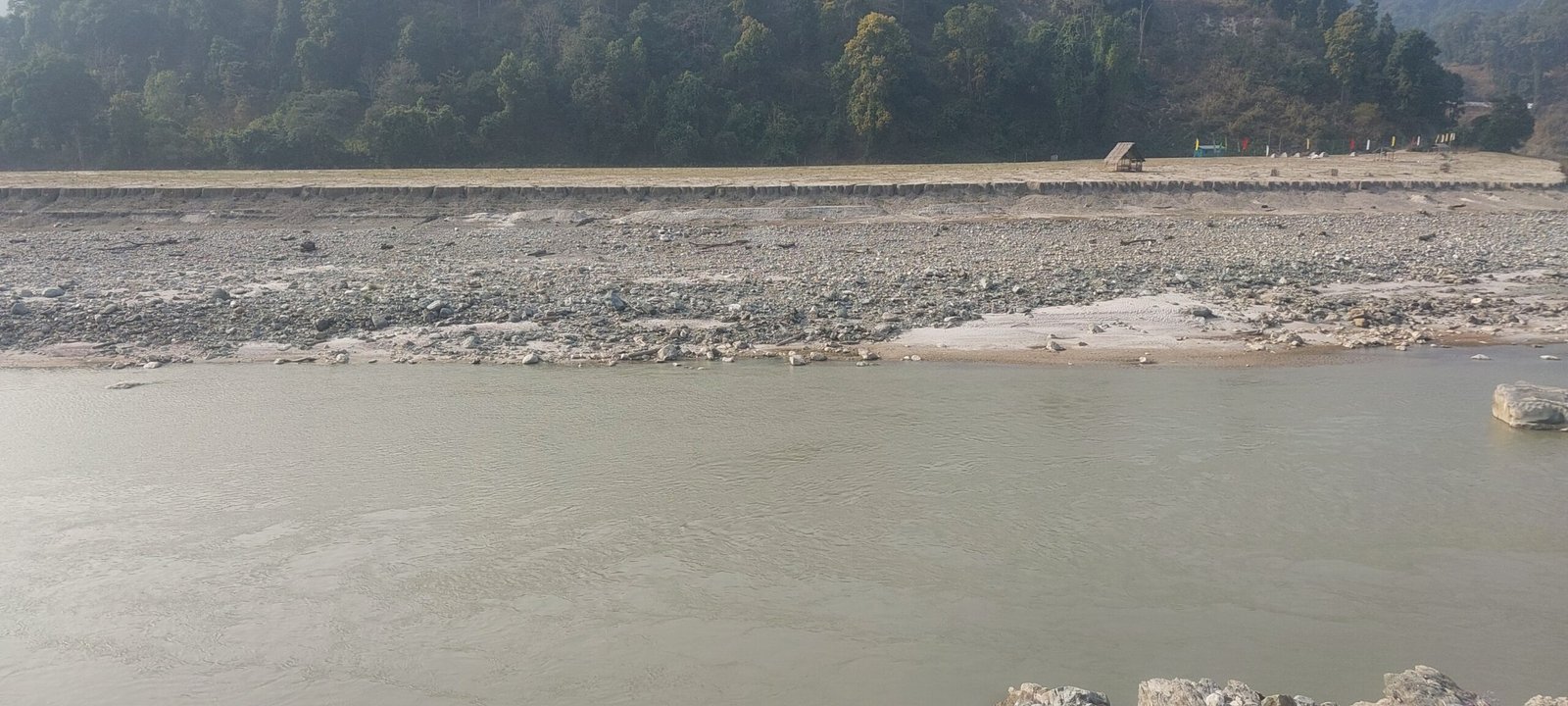
Featured image: Teesta River near Rangpo, Sikkim. Photo by Pinakpani via Wikimedia Commons, licensed under CC BY 4.0. The image is illustrative of the corridor area and does not depict construction under this tender.