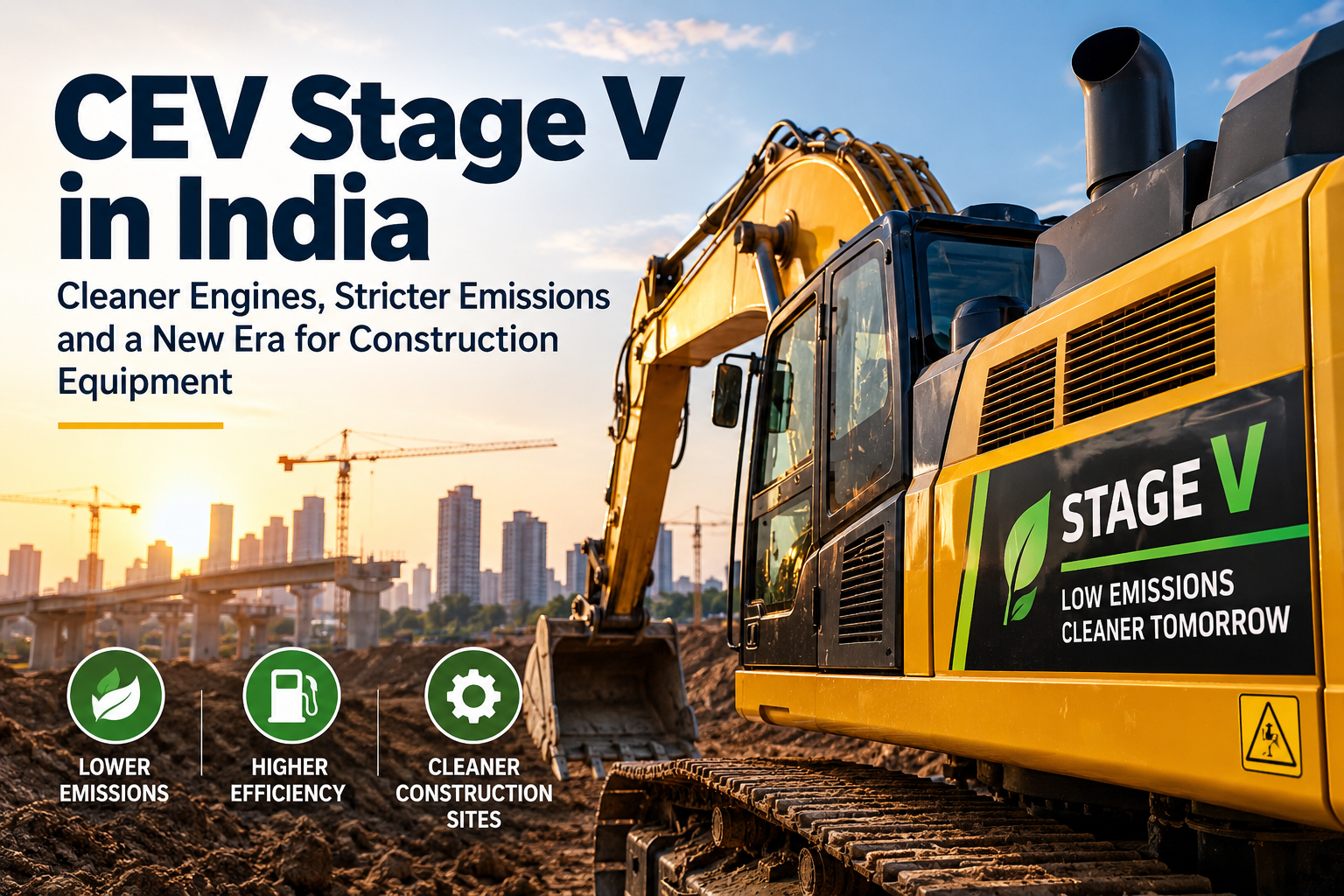
CEV Stage V has been in force for India’s construction equipment since January 2025. Here is what the emission rules mean for machine engineering, costs, exports and the October 2026 monitoring milestone.
India’s construction-equipment exports are heading towards 20,701 units in FY27, as Stage V norms, trade agreements and OEM localisation widen the market for Indian-made machines.
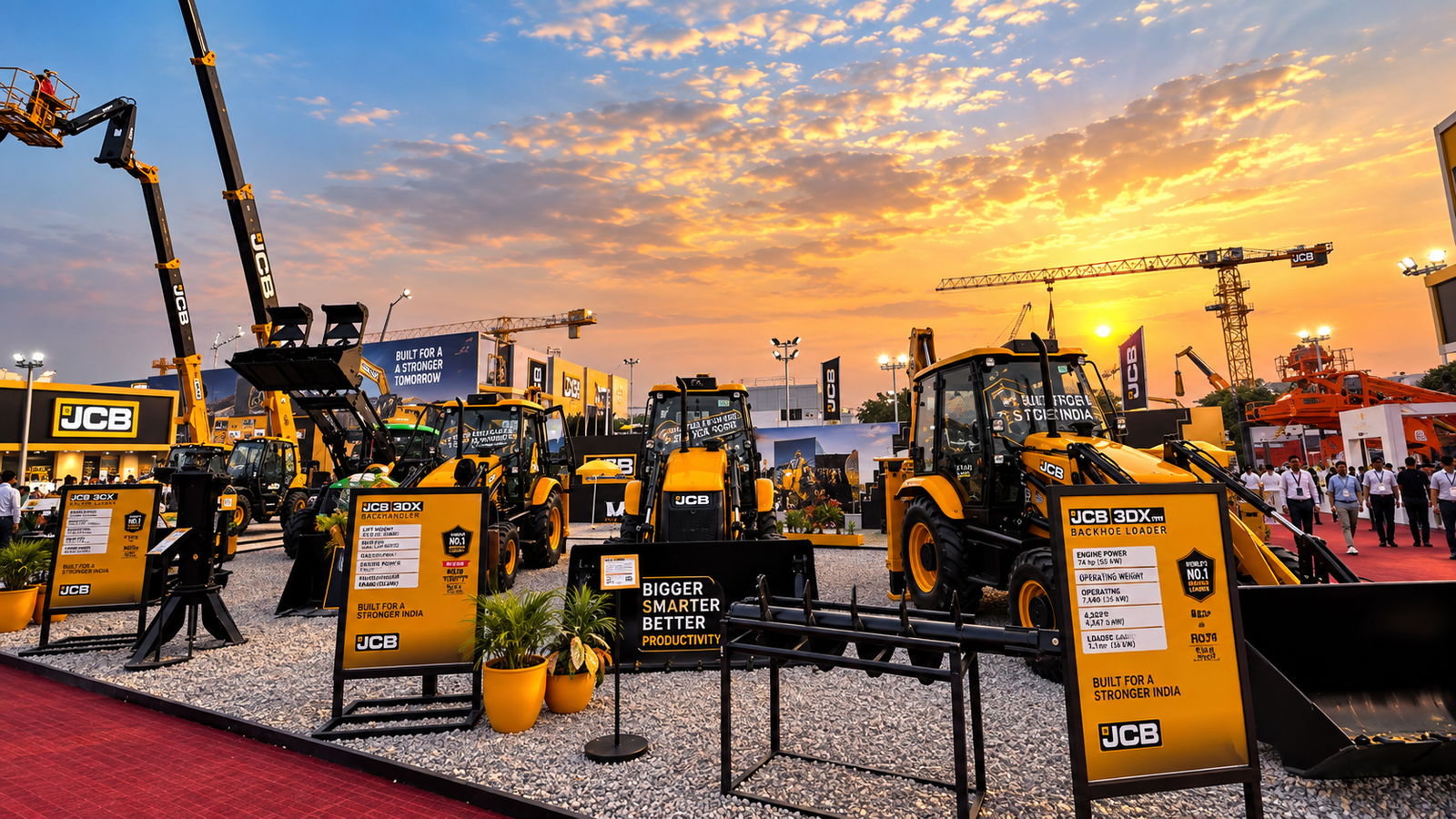
JCB India’s plan to double annual manufacturing capacity to approximately 170,000 machines by 2030 points to a broader strategy spanning localisation, exports, product diversification and India’s role in JCB’s global manufacturing network.
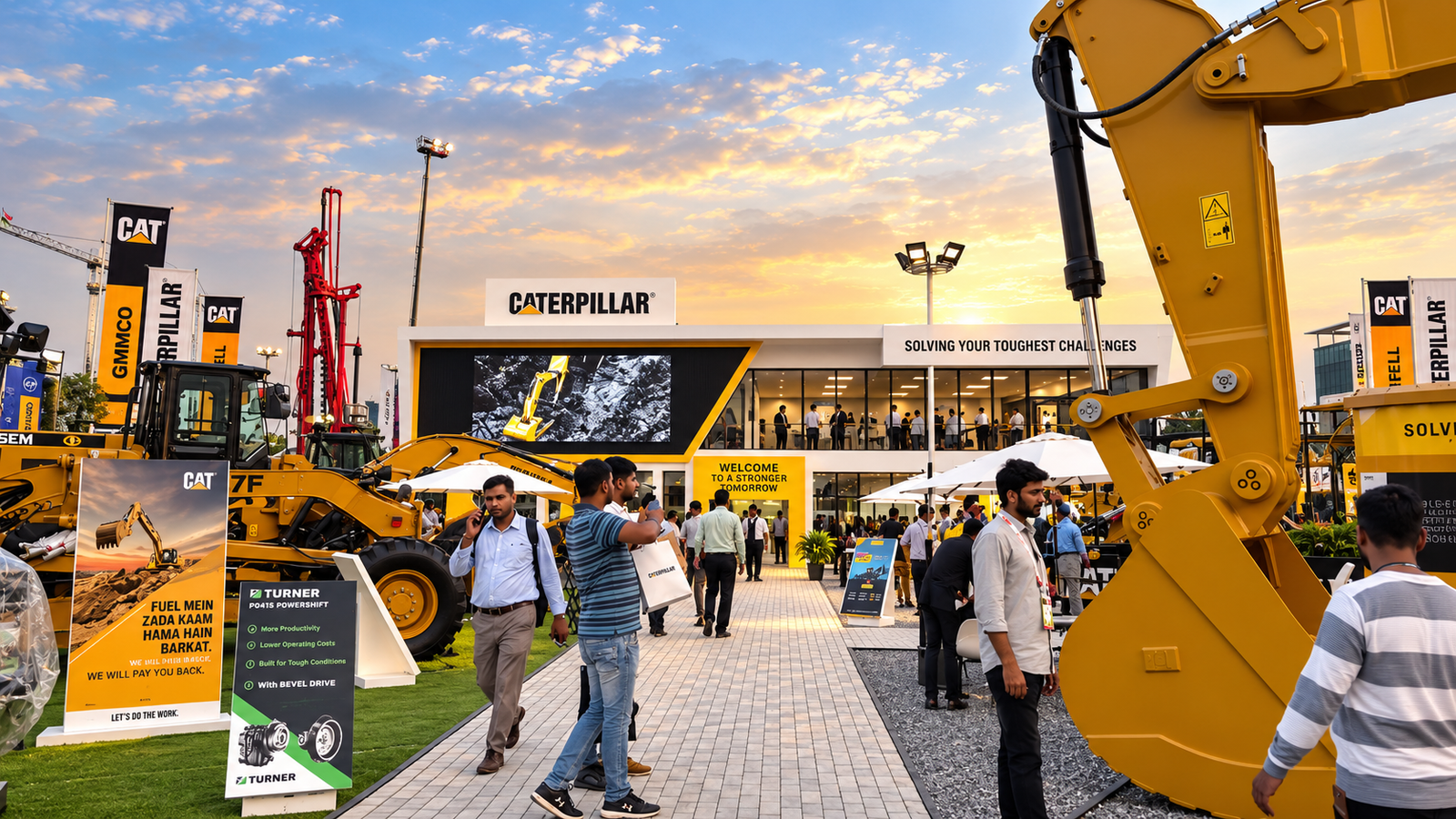
Caterpillar is using bauma CONEXPO INDIA 2026 to showcase an India strategy combining equipment, connected technology, aftermarket services, financing, rental and lifecycle support.
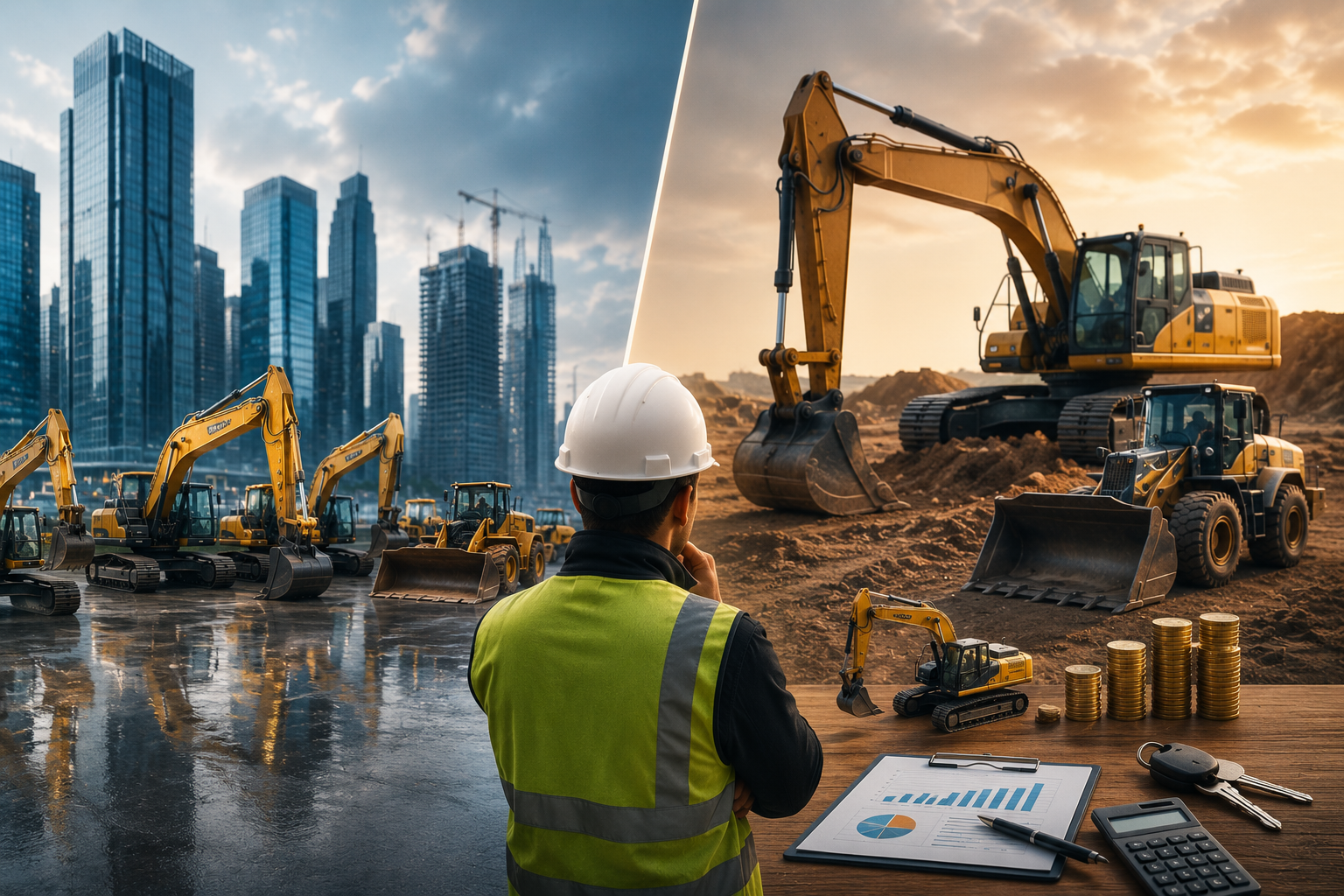
For construction contractors, the choice between buying and renting equipment comes down to how the machine will be used, how long it will be needed and how much capital the business wants tied up in equipment.
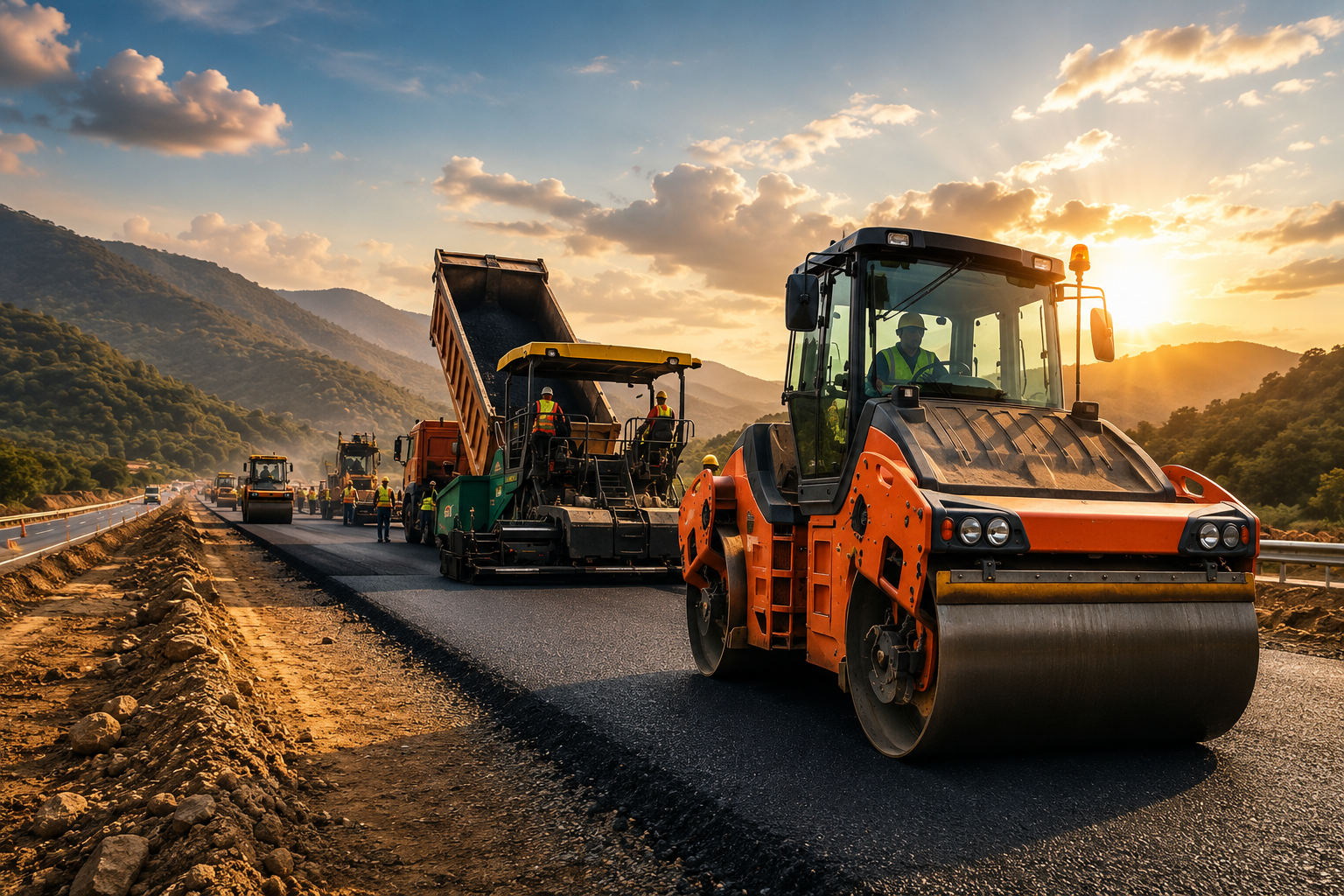
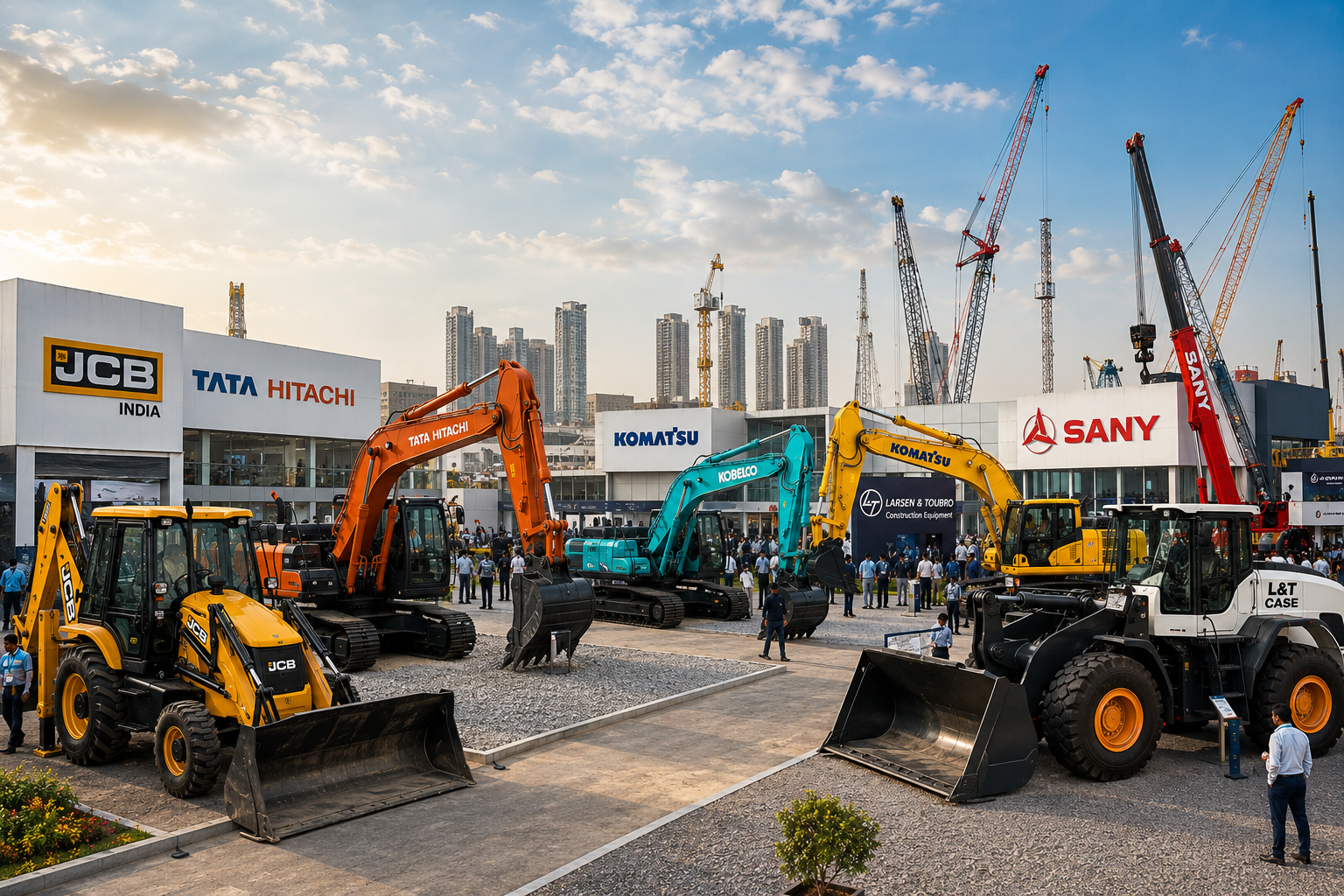
India’s construction equipment market enters FY2026-27 with a large infrastructure pipeline, substantial domestic manufacturing capacity and growing use of digital systems on machines.