Compare skid-steer loaders and mini excavators by digging, material handling, site access, attachments and model-specific operating limits.

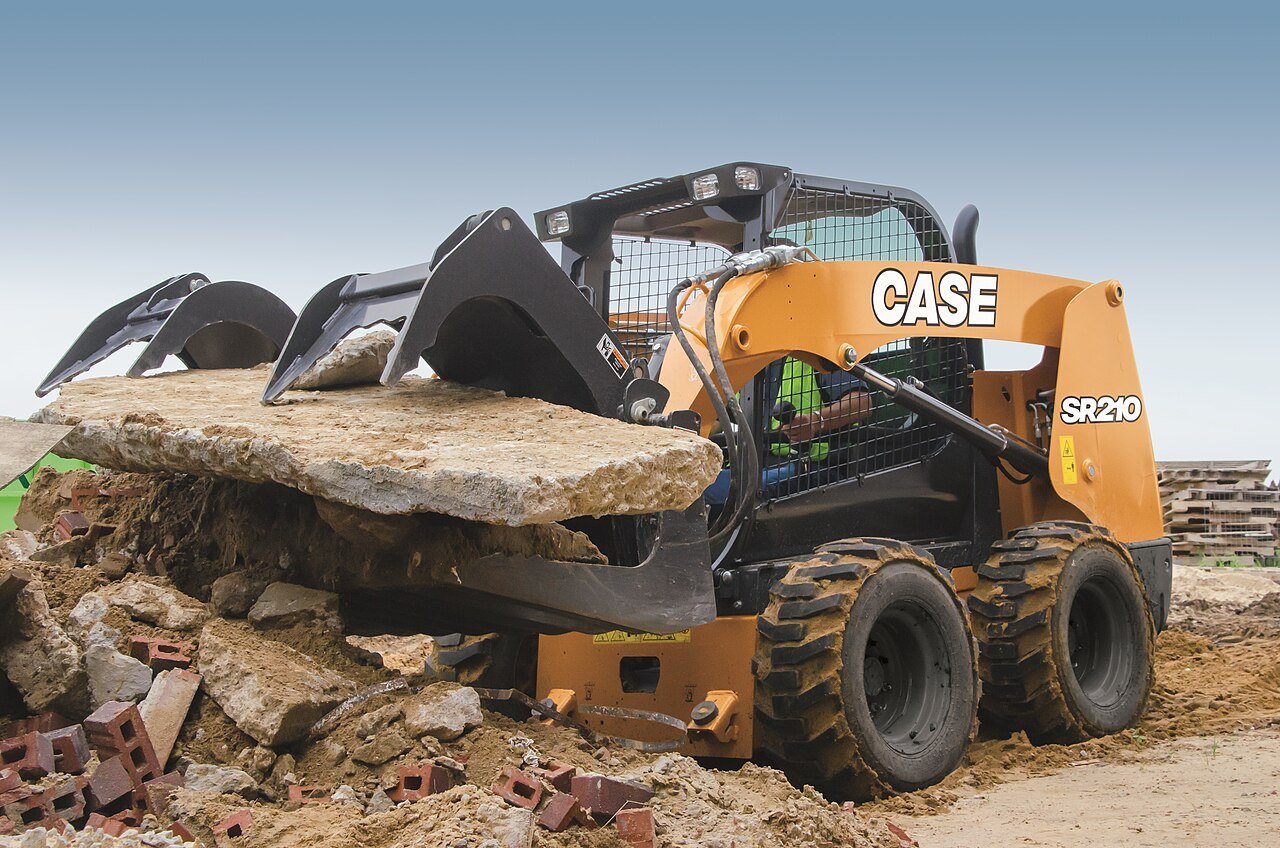
When planning a construction project, selecting the right compact equipment is critical for maintaining productivity, minimizing operational costs, and ensuring site safety. Construction job sites across India demand versatile, robust machinery that can adapt to changing conditions. When deciding between a skid steer loader and a mini excavator, the correct choice depends entirely on your primary tasks, site layout, and ground conditions.
A skid steer loader is generally suited to material handling, grading, sweeping, and moving bulk materials across a site. In contrast, a mini excavator is designed primarily for digging, trenching, precision excavation, and selected lifting tasks. In practical terms, the better choice depends on whether the job is driven mainly by material handling and grading or by digging and below-grade work.
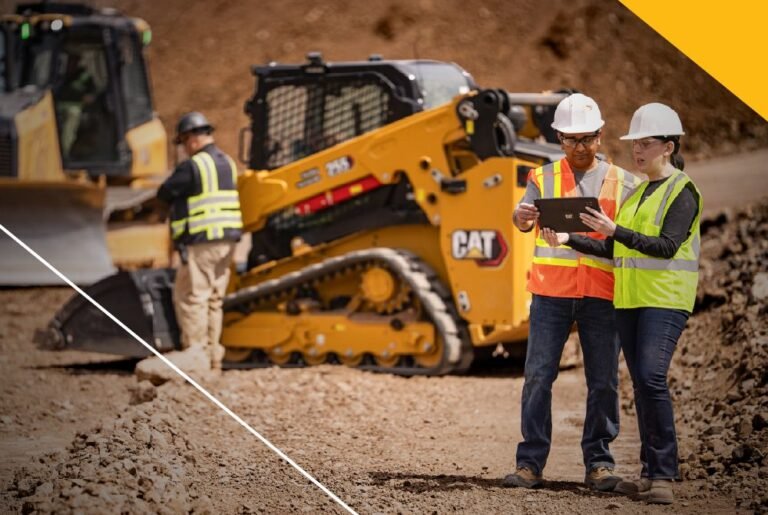
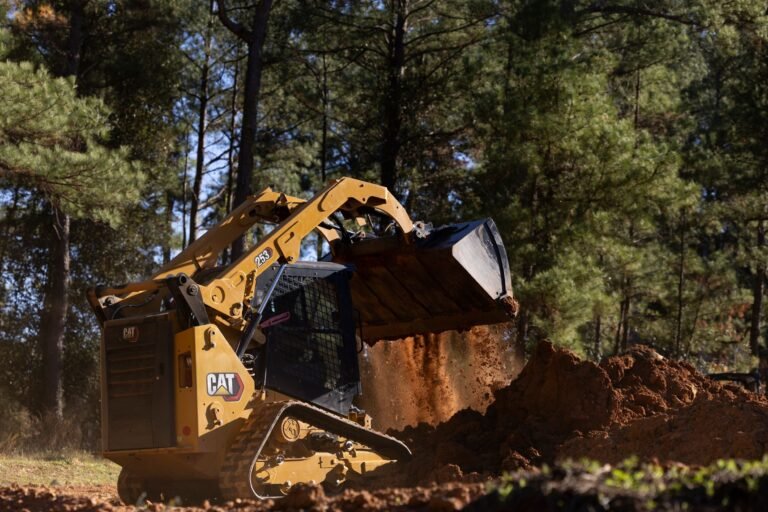
Skid steer loaders are incredibly popular due to their compact footprint and exceptional maneuverability. Known for their skid-steer steering system, they can make very tight turns within their own footprint, which is useful where maneuvering space is limited. This unique turning capability makes them highly effective in confined urban job sites, narrow warehouse environments, or tight residential projects where larger machinery simply cannot fit.
These machines are primarily designed for pushing, lifting, and loading materials. They typically come with either a radial or vertical lift path configuration. Radial lift path models are excellent for digging, grading, and pushing at ground level, while vertical lift path models can suit lifting and loading at height. Rated capacity, load centre, attachment approval and the manufacturer’s instructions determine whether a particular task is appropriate.
Beyond the standard bucket, skid steers function as highly versatile multi-purpose tool carriers. With the right hydraulic attachments, a single skid steer can transition from sweeping a roadway to breaking concrete, milling asphalt, or augering fence posts. This attachment versatility ensures high utilization rates, making them a reliable staple in most contractor fleets.
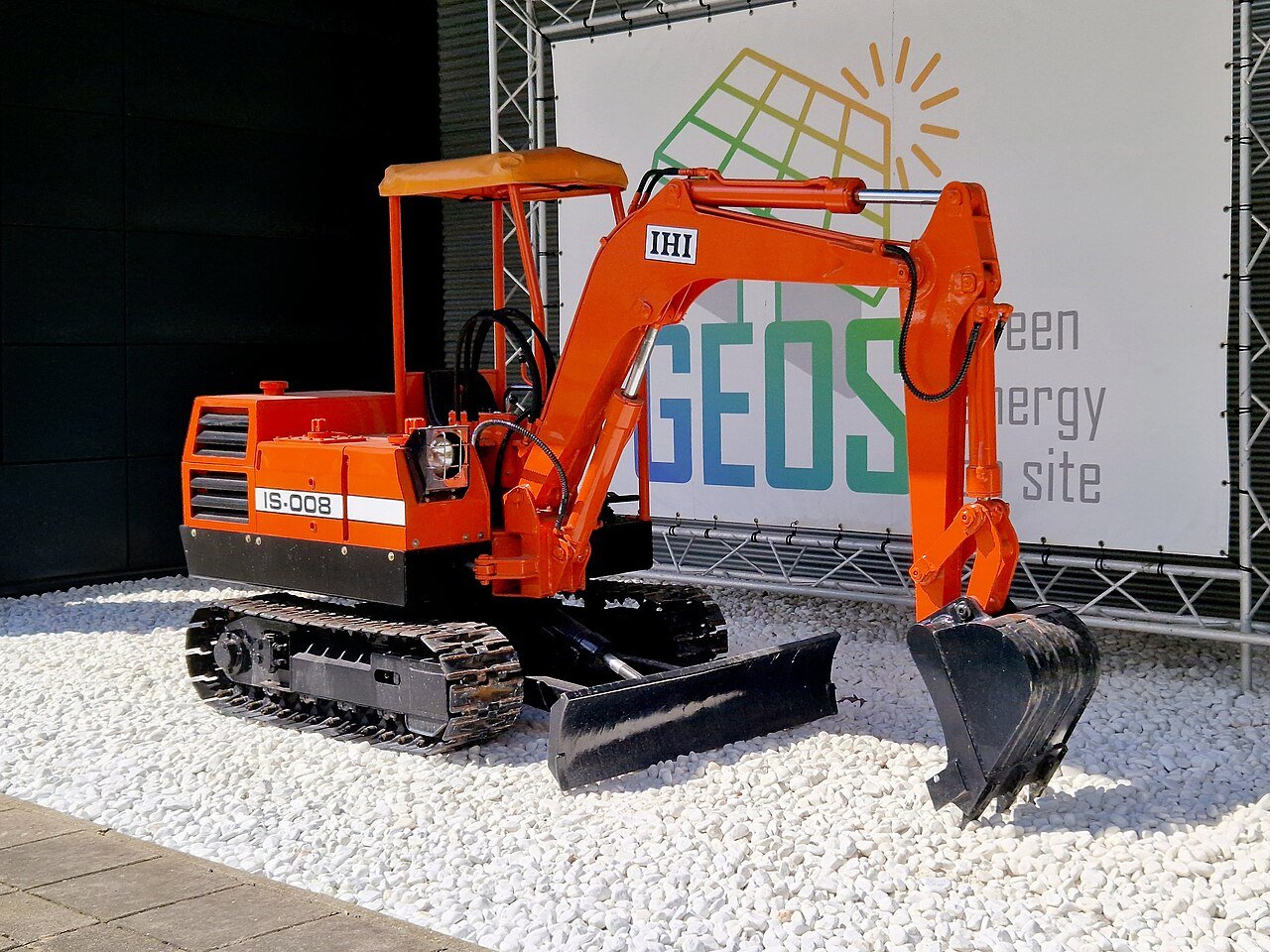
Conversely, mini excavators (often referred to as compact excavators) are engineered specifically for below-grade excavation and precise earthmoving. They feature a stationary undercarriage mounted on tracks and a rotating house that allows the operator to swing the boom 360 degrees without moving the machine itself.
This independent rotation functionality is invaluable. It allows operators to dig a trench, swing the boom, and dump the soil directly into a waiting dump truck—all while remaining securely planted in one location. Working from one position can reduce repositioning, but tracks, turning, machine weight and ground conditions can still damage finished surfaces. Assess bearing capacity and access before working on soft ground.
Mini excavators are often available in zero tail swing configurations. In these models, the rear of the machine’s rotating house never extends beyond the width of the tracks, reducing rear-counterweight clearance requirements. The boom, attachment and load can still strike nearby objects or people; operators must maintain exclusion zones and follow the model’s operating instructions.
To make an informed decision between a skid steer and a mini excavator, evaluate your project needs based on these core operational requirements.
While you can attach a backhoe or trencher attachment to a skid steer loader, a dedicated mini excavator is often the more suitable choice for sustained trenching. Performance depends on the machine, attachment, soil and operator. Excavators are built with optimized breakout force for cutting through compacted soil, rock, and thick clay. Their extended reach allows operators to dig deep trenches for utilities and plumbing without constantly repositioning the machine.
Skid steers dominate when it comes to active material handling. With a set of pallet forks, they can unload delivery vehicles and move materials around a job site. When equipped with a bucket, they can quickly backfill trenches, grade large areas of soil, and scoop loose gravel or debris. An excavator can lift heavy items using the boom, but it is not designed to transport materials efficiently over long distances.
Ground impact is a vital consideration for any heavy equipment operation. Skid steers are typically wheeled machines. They generally perform well on asphalt, concrete, and hard-packed dirt, but soft turf and muddy ground can reduce traction and increase surface disturbance. Mini excavators almost exclusively utilize rubber or steel tracks, which spread load over their ground-contact area. Actual ground pressure, traction and stability depend on model weight, track configuration, terrain and soil conditions.
Evaluating specific project scenarios can clarify which machine brings the most value and efficiency to your daily construction operations.
For utility trenching, a compact excavator can suit the digging task. Confirm utility locations, traffic controls, clearances and the model’s working envelope; zero tail swing alone does not make work alongside traffic safe.
For grading, moving crushed stone, or sweeping debris before paving, a wheeled skid steer can be well suited to the work.
A skid steer may handle loose debris within its rated capacity; an excavator with a compatible attachment may perform selected demolition tasks. Structural assessment, trained operators and an engineered demolition plan govern safe use.
A skid steer and a mini excavator can both play important roles on a construction site, but they are designed around different operating priorities. Assess the excavation depth, material-handling needs, site access, ground conditions, attachments and overall workflow before selecting the machine.
After choosing the machine type, compare the commercial case using Equipment Brief’s guide to construction-equipment rental versus ownership. For wider application context, see the main machinery classes in road construction.
Sources and selection references: Bobcat: choosing a mini excavator and attachments; Bobcat: key skid-steer and compact-loader selection factors; Bobcat: skid-steer loader basics. Check the specific model’s operator manual, rated capacities and approved attachments before selection or operation.