Yanmar’s enhanced North American telematics platform combines five years of service on eligible new machines with AEMP 2.0 integration. The buying lesson for Indian fleets is to examine support, compatibility and lifetime cost together.

Yanmar’s enhanced North American telematics platform combines five years of service on eligible new machines with AEMP 2.0 integration. The buying lesson for Indian fleets is to examine support, compatibility and lifetime cost together.
Yanmar Compact Equipment North America has upgraded SmartAssist Remote, its equipment telematics platform, with five years of service included on eligible new machines and integration designed for mixed fleets. For fleet owners, the useful change is the connection between machine information, maintenance decisions and dealer support.
The company’s announcement is datelined 21 October 2026 and was posted on its news website on 22 October. It states that the enhanced platform became available across North America on 21 October. This is a regional software and service announcement; it does not establish availability or identical subscription terms in India.
According to Yanmar’s official announcement, the web platform and mobile applications bring together location, operating hours, utilisation, preventive maintenance and machine-health information. Alerts cover defined operating and security conditions.
The update supports eligible existing connected machines, alongside qualifying new equipment. For rental operators and mixed fleets, an AEMP 2.0 API can feed Yanmar machine data into compatible fleet-management, ERP and business systems. Yanmar also describes photo-supported equipment inspections and dealer access to service information.
Eligibility matters. The announcement does not provide an exhaustive model-and-serial-number list, detailed API commercial terms or a price for service after the included period. Buyers should obtain those details for the machines they actually operate.
Five included years make the initial offer easier to evaluate, but the real comparison starts with what happens during those years. A location pin can help find a machine; it does not tell a workshop whether the next service will require an oil change, a diagnostic visit or a replacement component.
A useful fleet workflow connects three decisions: which machine needs attention, when it can leave production and who will perform the work. If that chain ends with an alert that nobody owns, another dashboard adds administration without improving availability.
For a rental fleet, an inspection photograph may be as valuable as a utilisation report. It can help record a machine’s condition at handover and return. The inspection process still needs clear responsibilities, consistent photographs and an agreed way to distinguish pre-existing damage from new damage.
AEMP 2.0 support is relevant because many contractors own equipment from several manufacturers. The buying question is whether the required information reaches the system used by the fleet team, at a useful frequency and with consistent asset identities.
Ask the supplier to demonstrate a complete example: select a machine, retrieve its operating hours, map it to the correct asset record and show how a service task is created. Then check what happens when connectivity drops, a machine changes hands or a subscription ends. Those tests reveal more than a list of supported interfaces.
Integration also requires agreement on access. A dealer may need diagnostic information to prepare a service visit, while a rental customer may only need location and operating hours. Fleet owners should document who can view each category of information and how access is removed when a rental or employment relationship ends.
Equipment Brief analysis: the North American offer provides a useful procurement checklist for India, rather than a basis for assuming local availability. Any proposed connected-equipment package should be assessed against the local dealer’s capability and the operating conditions of the fleet.
A sensible pilot can begin with a small, representative machine group. Record the existing service process, then compare how promptly the team identifies due services, resolves alerts and reconciles machine hours. Any claim of savings should follow that evidence, with software, connectivity and staff time included in the calculation.
This connects with the broader shift described in Equipment Brief’s coverage of electric and connected construction machines. For buyers choosing the physical equipment first, the skid-steer versus mini-excavator guide explains why the duty and attachment mix should lead the selection.
Yanmar has announced a clearer service package for eligible North American machines. The next useful details are model eligibility, integration costs and renewal terms. Indian fleet owners should seek a local, written offer before building these features into an equipment business case.
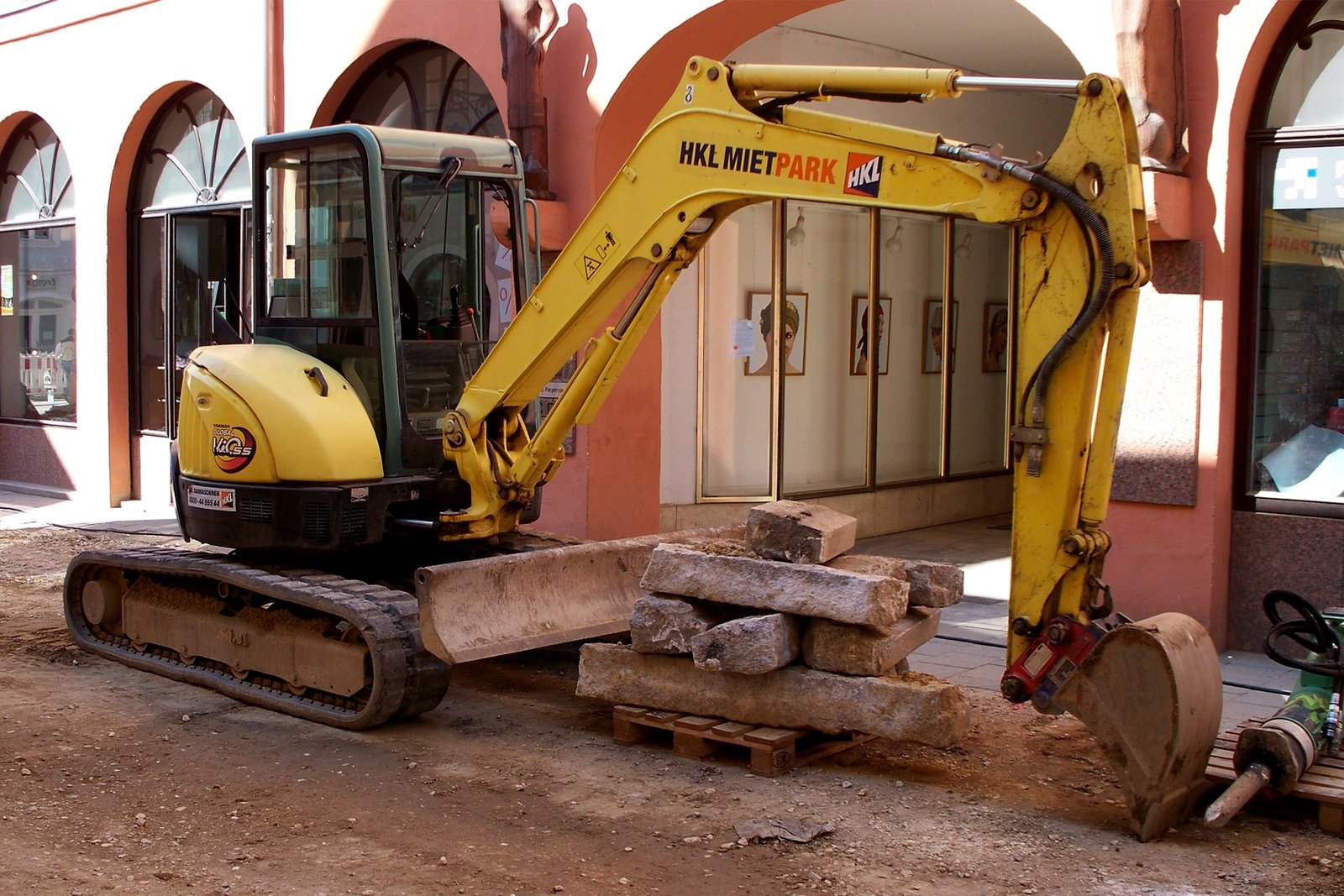
Featured photograph: HighContrast / Wikimedia Commons, 2009, CC BY 3.0 DE. Representative archive image of a Yanmar excavator; it does not establish this machine’s SmartAssist eligibility. Displayed to fit the page.